
Loading lot details…
The Spring 2018 Distinguished Cellar Auction
Swipe left for previous · Swipe right for next
 1 / 2
Lot 677
Estimate: $750
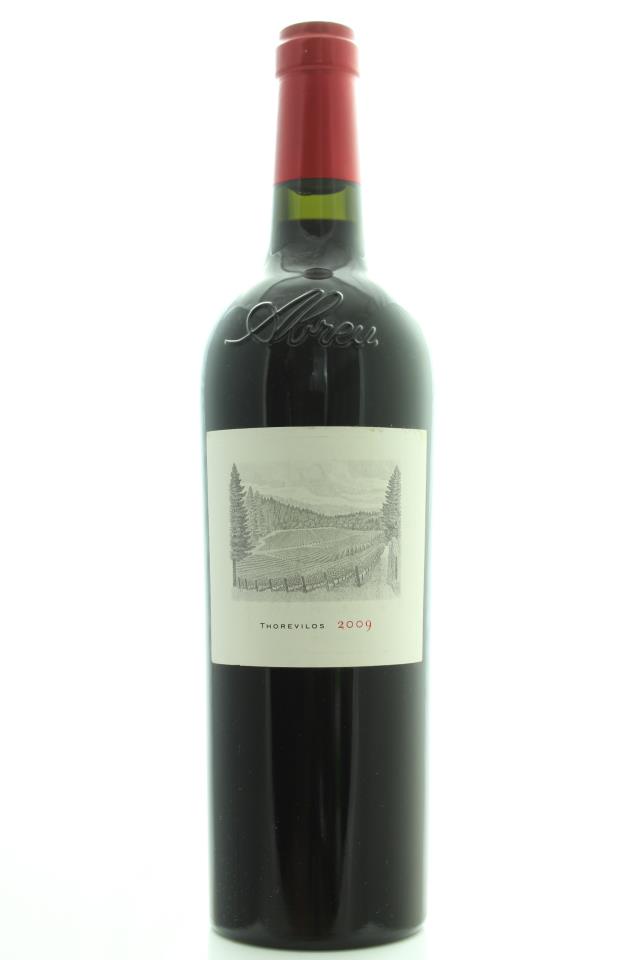
Lightly scuffed labels.
Sold:
This auction has ended. Bidding is closed.
Collection name
Reviews
98RP
"The 2009 Thorevilos displays a stunningly blue/purple color along with an exceptional nose of blueberry and blackberry liqueur intermixed with espresso, white chocolate and violets. With unbelievable intensity, a great, full-bodied mouthfeel, stunning purity, a subtle hint of wood, but no hard edges, this is one 2009 that does not have that broodingly tannic structure that is common in this vintage. This sensational effort can be drunk early on or cellared for another three decades. As a set of wines, it is hard to surpass the four cuvees from the estate vineyards of David Abreu. As I have written many times in the past, all of these wines are truly world-class efforts that stand alongside proprietary red wines made from Bordeaux varietals from any appellation in the world. Abreu has two vineyards in and around the town of St. Helena, the Madrona Ranch at the base of Spring Mountain and the Cappella, which is further toward the town. Ironically, his Thorevilos is not part of any AVA, but might be one of the three or four finest vineyards in all of Napa Valley. It sits on steep hillside behind the luxury Meadowood Resort. His other vineyard is on Howell Mountain. All of these sites total about 70 acres, and while Abreu sells some of the fruit to other high quality wineries, he continues to produce around 240-320 cases of each of these four selections, but that varies with each year. They are called proprietary red wines, but there is no doubting that these cuvees are dominated by 60-75% Cabernet Sauvignon and have increasingly high percentages of Cabernet Franc, especially Madrona Ranch and Thorevilos which no doubt accounts for their incredible perfumes and complex aromatics. These wines are all aged 24 or more months in 100% new French oak. Abreu, who first established his reputation as Napa Valley’s premier viticulturist, and who has a list of clients that reads like the guest list at the Ritz Hotel in Paris on New Year’s Eve, is impressive. While he clearly suffers no fools, his formula is intense work in the vineyard, radical viticulture techniques such as shoot positioning, crop-thinning, and a belief that the vine is never happier than when its in the shadow of its owner. His efforts and obsessive-compulsive work in the vineyards can’t be underestimated when it comes to seeing the results of what is produced in the bottle. These are spectacular wines year after year. Even in a challenging vintage such as 2011, Abreu’s viticultural work has paid off, even from the valley floor vineyards of Cappella and Madrona Ranch. Looking at the four vintages of Abreu’s St. Helena vineyard called Madrona Ranch, which was first planted in 1982, this is another cuvee that is usually composed of 47-50% Cabernet Sauvignon and an extremely high percentage of Cabernet Franc, now averaging between 33-45% in most vintages with smaller quantities of Petit Verdot and Merlot added in. The Howell Mountain project of David Abreu tends to be a blend of two-thirds Cabernet Sauvignon and 15-18% Cabernet Franc and the rest Merlot. Coming from a higher elevation, mountainside vineyard, it is a completely different wine than the Madrona Ranch or Cappella. It also emerges from a bigger vineyard, although I suspect Abreu still sells some of its fruit to some of Napa’s better wineries. All of these wines are amazing efforts, but for me, there is something about the Thorevilos Vineyard that boggles my mind. Co-owned with Ric Foreman, this is a steep hillside site above and behind the famous luxury resort of Meadowood. This cuvee is normally a blend of 45%-61% Cabernet Sauvignon, 28%-40% or more Cabernet Franc, and the rest Petit Verdot and Merlot."
Region
Red
Country
Score
"The 2009 Thorevilos displays a stunningly blue/purple color along with an exceptional nose of blueberry and blackberry liqueur intermixed with espresso, white chocolate and violets. With unbelievable intensity, a great, full-bodied mouthfeel, stunning purity, a subtle hint of wood, but no hard edges, this is one 2009 that does not have that broodingly tannic structure that is common in this vintage. This sensational effort can be drunk early on or cellared for another three decades. As a set of wines, it is hard to surpass the four cuvees from the estate vineyards of David Abreu. As I have written many times in the past, all of these wines are truly world-class efforts that stand alongside proprietary red wines made from Bordeaux varietals from any appellation in the world. Abreu has two vineyards in and around the town of St. Helena, the Madrona Ranch at the base of Spring Mountain and the Cappella, which is further toward the town. Ironically, his Thorevilos is not part of any AVA, but might be one of the three or four finest vineyards in all of Napa Valley. It sits on steep hillside behind the luxury Meadowood Resort. His other vineyard is on Howell Mountain. All of these sites total about 70 acres, and while Abreu sells some of the fruit to other high quality wineries, he continues to produce around 240-320 cases of each of these four selections, but that varies with each year. They are called proprietary red wines, but there is no doubting that these cuvees are dominated by 60-75% Cabernet Sauvignon and have increasingly high percentages of Cabernet Franc, especially Madrona Ranch and Thorevilos which no doubt accounts for their incredible perfumes and complex aromatics. These wines are all aged 24 or more months in 100% new French oak. Abreu, who first established his reputation as Napa Valley’s premier viticulturist, and who has a list of clients that reads like the guest list at the Ritz Hotel in Paris on New Year’s Eve, is impressive. While he clearly suffers no fools, his formula is intense work in the vineyard, radical viticulture techniques such as shoot positioning, crop-thinning, and a belief that the vine is never happier than when its in the shadow of its owner. His efforts and obsessive-compulsive work in the vineyards can’t be underestimated when it comes to seeing the results of what is produced in the bottle. These are spectacular wines year after year. Even in a challenging vintage such as 2011, Abreu’s viticultural work has paid off, even from the valley floor vineyards of Cappella and Madrona Ranch. Looking at the four vintages of Abreu’s St. Helena vineyard called Madrona Ranch, which was first planted in 1982, this is another cuvee that is usually composed of 47-50% Cabernet Sauvignon and an extremely high percentage of Cabernet Franc, now averaging between 33-45% in most vintages with smaller quantities of Petit Verdot and Merlot added in. The Howell Mountain project of David Abreu tends to be a blend of two-thirds Cabernet Sauvignon and 15-18% Cabernet Franc and the rest Merlot. Coming from a higher elevation, mountainside vineyard, it is a completely different wine than the Madrona Ranch or Cappella. It also emerges from a bigger vineyard, although I suspect Abreu still sells some of its fruit to some of Napa’s better wineries. All of these wines are amazing efforts, but for me, there is something about the Thorevilos Vineyard that boggles my mind. Co-owned with Ric Foreman, this is a steep hillside site above and behind the famous luxury resort of Meadowood. This cuvee is normally a blend of 45%-61% Cabernet Sauvignon, 28%-40% or more Cabernet Franc, and the rest Petit Verdot and Merlot."
Have questions?
The fourth-largest wine producer in the world, led by California. American fine wine is defined by ripe, expressive fruit and a spirit of innovation, with Napa Valley Cabernet Sauvignon among the most sought-after wines globally.
California's most prestigious wine region, celebrated worldwide for opulent, structured Cabernet Sauvignon. Diverse soils and mountain-to-valley-floor sites yield wines of remarkable ripeness, power and longevity.
California's flagship appellation for opulent, structured Cabernet Sauvignon of ripe fruit, plush tannins and cellar-worthy depth.
Abreu Vineyards ranks among Napa Valley’s most coveted producers, pairing David Abreu’s meticulous vineyard work with winemaker Brad Grimes’s talent for crafting Bordeaux-style reds of remarkable depth, polish, and longevity. Its four celebrated vineyard properties each bring a distinctive identity: Madrona Ranch, the founding estate on St. Helena’s western side, offers exceptional complexity from its varied soils and terrain; nearby Cappella, a six-acre site first planted in 1869, contributes a historic pedigree and beautifully expressive wines; Thorevilos, in the hills between the St. Helena and Howell Mountain appellations, produces powerful, intensely structured reds; and Las Posadas, perched roughly 2,000 feet above sea level on Howell Mountain, delivers concentrated mountain character. Together, these sites also underpin Rothwell Hyde, blending Madrona Ranch and Cappella, and Tilting Rock, combining Thorevilos and Las Posadas. Among Abreu’s standout vintages are 2013, 2015, 2016, and 2018, with numerous wines earning perfect scores—including the 2013 Madrona Ranch, Thorevilos, and Las Posadas from Robert Parker’s Wine Advocate. Combining extraordinary vineyard sites, exacting farming, and a consistent record of exceptional wines, Abreu remains a benchmark for collectors seeking Napa Valley at its finest.
An aromatic red grape lending perfume, red fruit and a leafy, savory edge. It thrives in the Loire and as a key blending partner in Bordeaux, especially Saint-Emilion.
The world's most planted premium red grape, yielding deeply colored, tannic and structured wines with cassis, cedar and graphite notes. Firm tannins and acidity make it exceptionally age-worthy, whether as a varietal or the backbone of a Bordeaux blend.
Produces plush, supple, fruit-forward reds with plum and chocolate notes. Softer and earlier-maturing than Cabernet, it adds flesh and roundness to blends and stars in Right Bank Bordeaux.
A deeply colored, tannic Bordeaux blending grape adding color, structure and floral, spicy complexity in small proportions.