
Loading lot details…
The March 2019 Internet-Only Auction Part 3
Swipe left for previous · Swipe right for next
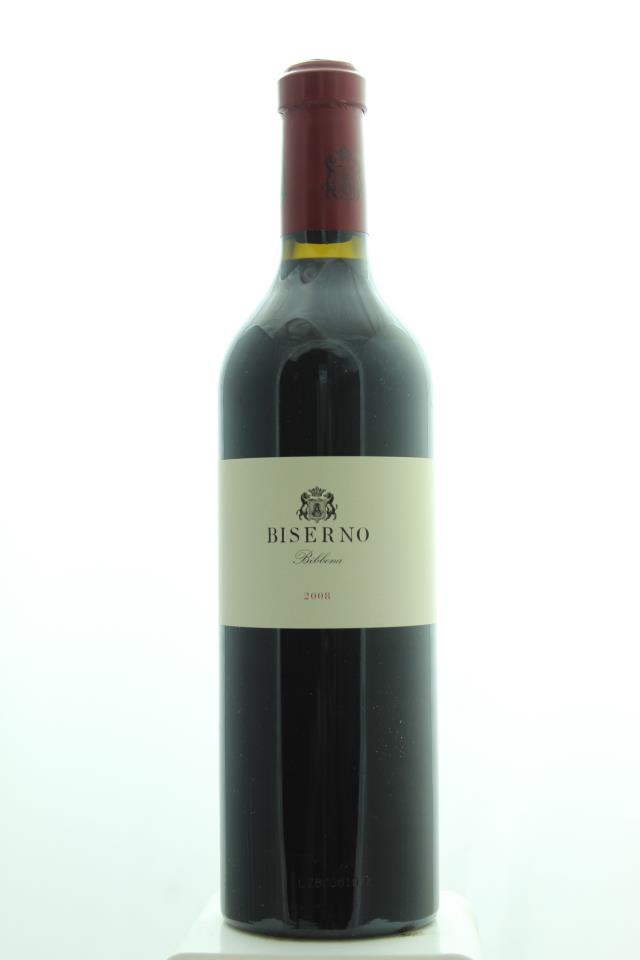 1 / 2
Lot 3650
Estimate: $1,400
OWC.
This auction has ended. Bidding is closed.
Collection name
Reviews
96AG
"The 2008 Biserno is drop-dead gorgeous. A blend of mostly Cabernet Franc, with dollops of Cabernet Sauvignon, Merlot and Petit Verdot, the 2008 Biserno is rich, seamless and opulent, yet also beautifully balanced at the same time. A warm, open bouquet redolent of mocha, espresso, wild herbs and smoke leads to plush fruit as this harmonious, totally symmetrical wine opens up. This is a great showing . . . . Marchese Lodovico Antinori is one of the most interesting figures in the history of the wines of Maremma. In the early 1980s, Antinori founded Tenuta dell’Ornellaia, which quickly established itself as one of Italy’s great estates before Antinori was forced to sell the property a decade ago. Antinori’s cousin, Nicolo Incisa della Rochetta, made Tenuta San Guido’s Sassicaia an icon. And of course, Antinori’s brother Marchese Piero Antinori runs the family business out of Florence. But Lodovico Antinori seems to march to the beat of his own drum. He remains deeply linked to his family, but also equally eager to carve out his own reputation. Antinori’s latest project is composed of three separate estates in Maremma, which I have listed separately to avoid the confusion that has surrounded these properties in the past. Stylistically, Lodovico Antinori’s wines lie in a middle ground between the approach at San Guido, which favors earlier harvests and a more classic sense of structure, and the riper, more opulent expression of Bolgheri found at Ornellaia."
Region
Red
Country
Score
"The 2008 Biserno is drop-dead gorgeous. A blend of mostly Cabernet Franc, with dollops of Cabernet Sauvignon, Merlot and Petit Verdot, the 2008 Biserno is rich, seamless and opulent, yet also beautifully balanced at the same time. A warm, open bouquet redolent of mocha, espresso, wild herbs and smoke leads to plush fruit as this harmonious, totally symmetrical wine opens up. This is a great showing . . . . Marchese Lodovico Antinori is one of the most interesting figures in the history of the wines of Maremma. In the early 1980s, Antinori founded Tenuta dell’Ornellaia, which quickly established itself as one of Italy’s great estates before Antinori was forced to sell the property a decade ago. Antinori’s cousin, Nicolo Incisa della Rochetta, made Tenuta San Guido’s Sassicaia an icon. And of course, Antinori’s brother Marchese Piero Antinori runs the family business out of Florence. But Lodovico Antinori seems to march to the beat of his own drum. He remains deeply linked to his family, but also equally eager to carve out his own reputation. Antinori’s latest project is composed of three separate estates in Maremma, which I have listed separately to avoid the confusion that has surrounded these properties in the past. Stylistically, Lodovico Antinori’s wines lie in a middle ground between the approach at San Guido, which favors earlier harvests and a more classic sense of structure, and the riper, more opulent expression of Bolgheri found at Ornellaia."
Have questions?
Italy grows more indigenous grape varieties than any other country and produces wine in all 20 of its regions. From Piedmont's Nebbiolo to Tuscany's Sangiovese, its finest wines pair structure and bright acidity with a strong sense of place.
The heartland of Sangiovese, producing Chianti Classico, Brunello di Montalcino and the Cabernet-influenced 'Super Tuscans' of the coast. Its wines balance bright acidity, savory structure and cellar-worthiness.
An aromatic red grape lending perfume, red fruit and a leafy, savory edge. It thrives in the Loire and as a key blending partner in Bordeaux, especially Saint-Emilion.
The world's most planted premium red grape, yielding deeply colored, tannic and structured wines with cassis, cedar and graphite notes. Firm tannins and acidity make it exceptionally age-worthy, whether as a varietal or the backbone of a Bordeaux blend.
Produces plush, supple, fruit-forward reds with plum and chocolate notes. Softer and earlier-maturing than Cabernet, it adds flesh and roundness to blends and stars in Right Bank Bordeaux.
A deeply colored, tannic Bordeaux blending grape adding color, structure and floral, spicy complexity in small proportions.