
Loading lot details…
The July 2020 Auction: Part 5
Swipe left for previous · Swipe right for next
 1 / 2
Lot 1115
Estimate: $14
Sold:
This auction has ended. Bidding is closed.
Collection name
Reviews
92WA
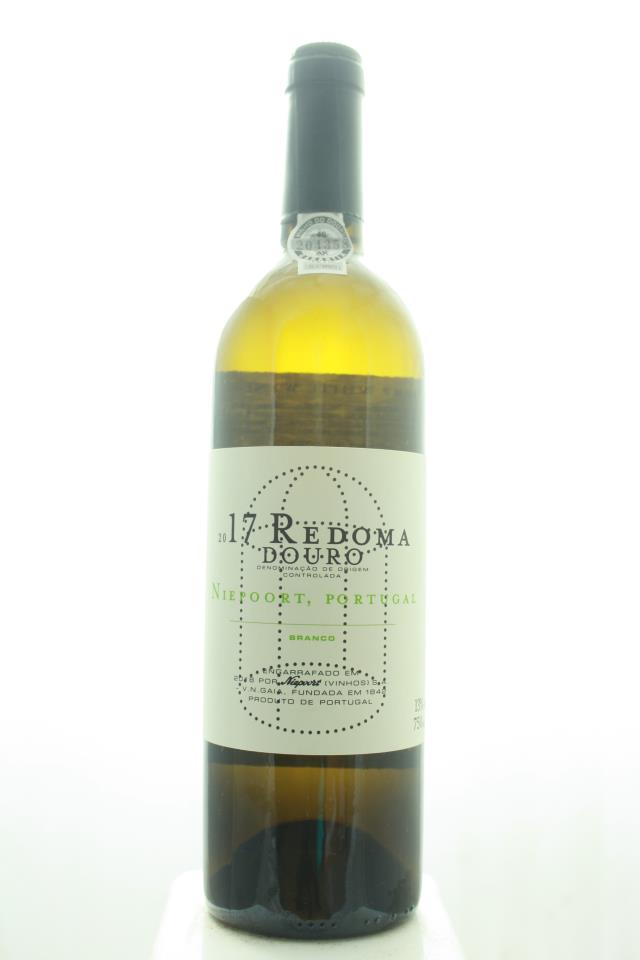
"The 2017 Redoma Branco is a field blend from old vines featuring Rabigato, Códega, Viosinho, Donzelinho and others, aged for eight months in 85% used French oak. It comes in at 13% alcohol. Sharp and fresh, this handles its wood beautifully, showing precision and liveliness. Long on the finish, this is a pretty fine Redoma that seems to handle the difficulties of the vintage well. Niepoort called this one of his best. It looks that way, although time will be the ultimate judge, and I still wonder how 2017s will do in the longer run. Niepoort suggested this might last 20 years. All of his wines age well—it is part of who and what Niepoort is. Let's try to check in every now and then, though. A hot topic in Portugal when I was there was certainly the freakish 2017 vintage with its historically early harvest. Niepoort said the 2017 vintage was different in Douro and other regions. In places like Dão and Bairrada, he said, it was not as hot and as exaggerated. The different soils helped too. Overall, the 2017s had higher alcohol, but you had to pick earlier to maintain acidity. He also changed his strategy to "full-speed picking" to get the grapes in quickly. The heavier grapes went to the lower levels like Twisted. Overall, he said, the reds were more of a challenge. He is also declaring Port in 2017, which is a different matter. The key there too, he said, was picking time—too many picked too late and got overripe grapes. Current releases include 2016. In the Beiras, he likes 2016 whites better than 2015s. Everything in those regions (at Baixo in Bairrada, separately listed), and Dão is biodynamic if solely from his own properties."
Region
White
Country
Score
"The 2017 Redoma Branco is a field blend from old vines featuring Rabigato, Códega, Viosinho, Donzelinho and others, aged for eight months in 85% used French oak. It comes in at 13% alcohol. Sharp and fresh, this handles its wood beautifully, showing precision and liveliness. Long on the finish, this is a pretty fine Redoma that seems to handle the difficulties of the vintage well. Niepoort called this one of his best. It looks that way, although time will be the ultimate judge, and I still wonder how 2017s will do in the longer run. Niepoort suggested this might last 20 years. All of his wines age well—it is part of who and what Niepoort is. Let's try to check in every now and then, though. A hot topic in Portugal when I was there was certainly the freakish 2017 vintage with its historically early harvest. Niepoort said the 2017 vintage was different in Douro and other regions. In places like Dão and Bairrada, he said, it was not as hot and as exaggerated. The different soils helped too. Overall, the 2017s had higher alcohol, but you had to pick earlier to maintain acidity. He also changed his strategy to "full-speed picking" to get the grapes in quickly. The heavier grapes went to the lower levels like Twisted. Overall, he said, the reds were more of a challenge. He is also declaring Port in 2017, which is a different matter. The key there too, he said, was picking time—too many picked too late and got overripe grapes. Current releases include 2016. In the Beiras, he likes 2016 whites better than 2015s. Everything in those regions (at Baixo in Bairrada, separately listed), and Dão is biodynamic if solely from his own properties."
Have questions?
Best known for fortified Port from the Douro Valley, Portugal also produces distinctive dry reds from native grapes such as Touriga Nacional. Its dramatic terraced vineyards and blending traditions give the wines a singular identity.
One of the world's oldest demarcated wine regions, famed for fortified Port and, increasingly, powerful dry reds. Its terraced schist vineyards and native grapes yield wines of concentration and character.
Covers powerful dry reds and fortified Port from native varieties grown on the valley's terraced schist slopes.