
Loading lot details…
The June 2021 Auction: Part 1
Swipe left for previous · Swipe right for next
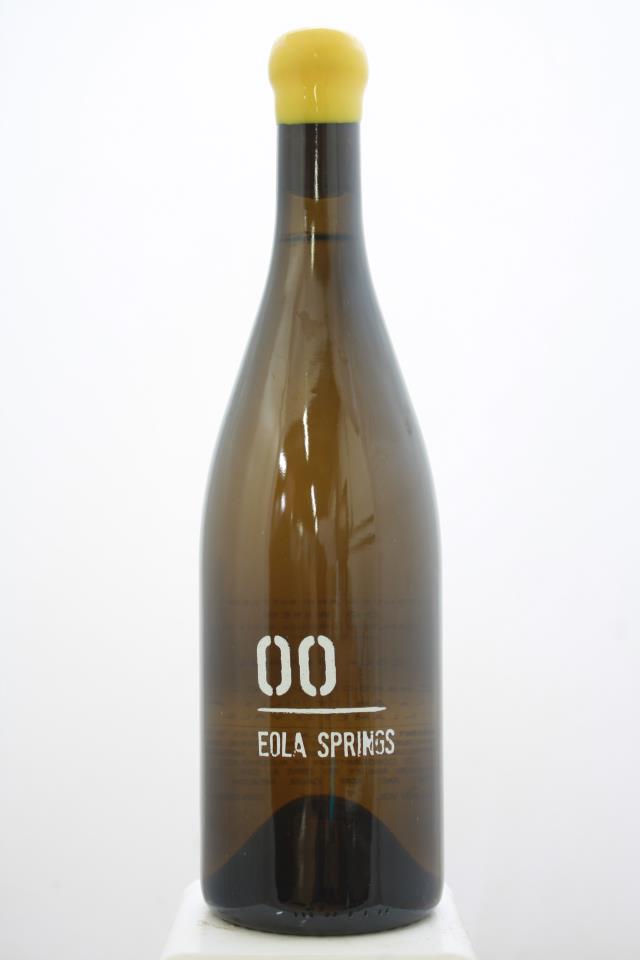 1 / 2
Lot 597
Estimate: $300
Sold:
This auction has ended. Bidding is closed.
Collection name
Reviews
95WA
"The 2017 Chardonnay Eola Springs comes from vines planted in 1984. It has a singular, incredibly layered nose of orange oil, jasmine, dried chamomile and hay, honeyed apples, pie crust, candied hazelnuts, grilled peaches, sweet spices, autumn leaves and mushroom tart. In the mouth, it's medium-bodied and über silky, spindle-like in its ability to run the gamut from precise stony character to open, fleshy, honeyed fruits and back again, with laser-like focus and a very long, layered finish. This is gorgeous! 00 Wines is crafting some of the most exciting Chardonnays in Willamette Valley. Anjou, France, native Pierre Millemann oversees winemaking in Oregon, and he is also in charge of 00’s newest projects in France, where they are making a white Burgundy and Champagne. Winemaking at 00 is extraordinarily detailed. Chardonnay is made using what proprietor Christopher Hermann calls ‘black Chardonnay.’ Hermann says, ‘We pick when the fruit is ripe, but still early, at 21-22 Brix. We foot-crush in a bin, chill overnight and macerate. If you want flavor and texture, you have to extract the phenolics from the Chardonnay skins. The organic material in the skin of the Chardonnay is very similar to Pinot Noir. But people have been doing the opposite, trying not to extract. That method gives very pure fruit, and that’s, to me, monotonous, not complex. People are avoiding extracting the material that would give them flavor, texture, etc., all the things I love about white Burgundy.’ There is a long press cycle with very high pressure and no sulfite addition. ‘The Chardonnay goes into the press pan, and within seconds, it turns dark brown or black. It’s an immediate chemical reaction because the molecules that you extract from the skin are what oxidize. People don’t want any oxygen because they don’t think they want those flavors and they think it will protect the fruit. But the fruit is so clean. It’s not like fruit in Burgundy. There’s no reason to add sulfites in order to protect it. The must turns black, and then it's put into a tank to clarify. The next day we turn on the rotors and spin it all. It’s as if the juice is just out of the press. After a couple of days in tank, the must clarifies. And then it goes straight into barrel. There are massive lees deposits because we only take off the very gross lees, keeping about 80%, so we have this organic material for the wine to feed on for the next several months while it ages in barrel.’ Pinot Noirs are treated with equal care. For certain bottlings, including the Hyland Vineyard, Richard Hermann Cuvée and the Shea Vineyard in the 2017 vintage, what Hermann calls the ‘snip snip’ method was used. Each Pinot grape is hand-clipped from its stems by the pedicel and placed, intact, into a 500-liter terracotta amphora from Tuscany to ferment. Hermann says it takes 10 people a full day to fill one amphora. ‘The berries spontaneously ferment from the inside out, until they burst and flood the amphora with juice,’ he says. ‘What we are striving for is absolute purity of Oregon fruit. The micro-oxygenation from the amphora lowers the alcohol, because it respires out, and softens but retains the tannins. The fruit can’t shine through like that with the stems.’ New oak usage averages about 25% across the portfolio, mostly Damy, Chassin and François Frères, both 500- and 228-liter formats."
Region
White
Country
Score
"The 2017 Chardonnay Eola Springs comes from vines planted in 1984. It has a singular, incredibly layered nose of orange oil, jasmine, dried chamomile and hay, honeyed apples, pie crust, candied hazelnuts, grilled peaches, sweet spices, autumn leaves and mushroom tart. In the mouth, it's medium-bodied and über silky, spindle-like in its ability to run the gamut from precise stony character to open, fleshy, honeyed fruits and back again, with laser-like focus and a very long, layered finish. This is gorgeous! 00 Wines is crafting some of the most exciting Chardonnays in Willamette Valley. Anjou, France, native Pierre Millemann oversees winemaking in Oregon, and he is also in charge of 00’s newest projects in France, where they are making a white Burgundy and Champagne. Winemaking at 00 is extraordinarily detailed. Chardonnay is made using what proprietor Christopher Hermann calls ‘black Chardonnay.’ Hermann says, ‘We pick when the fruit is ripe, but still early, at 21-22 Brix. We foot-crush in a bin, chill overnight and macerate. If you want flavor and texture, you have to extract the phenolics from the Chardonnay skins. The organic material in the skin of the Chardonnay is very similar to Pinot Noir. But people have been doing the opposite, trying not to extract. That method gives very pure fruit, and that’s, to me, monotonous, not complex. People are avoiding extracting the material that would give them flavor, texture, etc., all the things I love about white Burgundy.’ There is a long press cycle with very high pressure and no sulfite addition. ‘The Chardonnay goes into the press pan, and within seconds, it turns dark brown or black. It’s an immediate chemical reaction because the molecules that you extract from the skin are what oxidize. People don’t want any oxygen because they don’t think they want those flavors and they think it will protect the fruit. But the fruit is so clean. It’s not like fruit in Burgundy. There’s no reason to add sulfites in order to protect it. The must turns black, and then it's put into a tank to clarify. The next day we turn on the rotors and spin it all. It’s as if the juice is just out of the press. After a couple of days in tank, the must clarifies. And then it goes straight into barrel. There are massive lees deposits because we only take off the very gross lees, keeping about 80%, so we have this organic material for the wine to feed on for the next several months while it ages in barrel.’ Pinot Noirs are treated with equal care. For certain bottlings, including the Hyland Vineyard, Richard Hermann Cuvée and the Shea Vineyard in the 2017 vintage, what Hermann calls the ‘snip snip’ method was used. Each Pinot grape is hand-clipped from its stems by the pedicel and placed, intact, into a 500-liter terracotta amphora from Tuscany to ferment. Hermann says it takes 10 people a full day to fill one amphora. ‘The berries spontaneously ferment from the inside out, until they burst and flood the amphora with juice,’ he says. ‘What we are striving for is absolute purity of Oregon fruit. The micro-oxygenation from the amphora lowers the alcohol, because it respires out, and softens but retains the tannins. The fruit can’t shine through like that with the stems.’ New oak usage averages about 25% across the portfolio, mostly Damy, Chassin and François Frères, both 500- and 228-liter formats."
Have questions?
The fourth-largest wine producer in the world, led by California. American fine wine is defined by ripe, expressive fruit and a spirit of innovation, with Napa Valley Cabernet Sauvignon among the most sought-after wines globally.
The world's most versatile white grape, producing everything from steely Chablis to rich, oaked whites. Its neutrality makes it a mirror of terroir and winemaking, and the foundation of white Burgundy and Champagne.