
Loading lot details…
The September 2022 Auction: Part 2
Swipe left for previous · Swipe right for next
 1 / 2
Lot 2047
Estimate: $60
Very lightly scuffed label.
Sold:
This auction has ended. Bidding is closed.
Collection name
Reviews
96VM
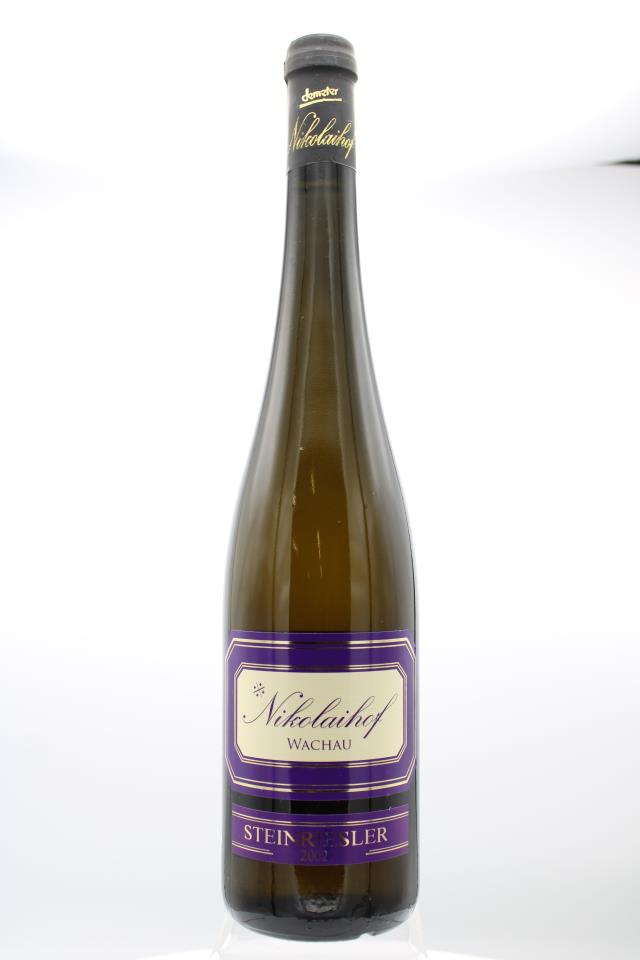
“The third such Riesling Vom Stein of Federspiel weight to be given an élevage formerly reserved for Smaragd-weight ‘Vinothek’ offerings, this was only bottled in April 2015. There are refinements and complexities of aromatics, flavor and texture here that go far beyond those found today in the lovely ‘regular’ 2002 Federspiel Vom Stein (tasted alongside and also covered in this report). Moreover, this wine tastes fresher, which may seem less surprising if one thinks for a moment about the difference in size between a bottle and a cask. Moss, lichen, forest floor and flor mingled on the nose with fresh apple and plum. Caressingly silken and buoyant, this spreads a midpalate carpet of incredibly intricate and subtle design as well as irresistible juiciness. A soaringly sustained finish introduces smoky, crystalline and stony elements along with a mouthwateringly saline savor reminiscent of clam juice. (The name ‘Steinriesler’—strangely but truly coined by yours truly—alludes to a 19th-century name for Riesling that survived as an affectionate nickname well into the 20th. I happened to spot ‘Riesler’ on some very old Nikolaihof price lists they shared with me at precisely the time when the Saahs family was trying to decide what to call their first extremely-extended-élevage Federspiel.) My latest notes from the Nikolaihof cover the wines presented to me there in June 2015, including the estate’s initial releases from vintage 2014. On the whole, relates Nicholas ‘Nikki’ Saahs, any given 2014 parcel was brought in only about a week later than its average 21st-century picking date, and predictably only a couple of other Krems area estates known to either him or me finished harvesting nearly so early in October. I have often had occasion to remark how impressively the Saahs family’s case for their biodynamic regimen is buttressed by repeated evidence of their achieving ravishingly complex and satisfyingly ripe flavors much sooner than other growers and at significantly lower levels of potential alcohol. When it comes to 2014, I’ll wait to taste those wines that are released next year and to re-taste after a year in bottle those reviewed below before declaring myself convinced that they could not have been improved by a bit more hang time—always assuming that botrytis could have been held in check. But Saahs claims that as things transpired, ‘Muskateller was the only grape variety from which I asked my pickers to cut any [imperfect] bunches to the ground.’ I was offered last June what at this estate counts as a very rare glimpse of wine from cask, namely a 2014 Steiner Hund Riesling that had scarcely finished fermenting, and which left me optimistically anticipating a rendition of extra buoyancy and brightness accompanied by the usual understated complexity.”
Region
White
Country
Score
“The third such Riesling Vom Stein of Federspiel weight to be given an élevage formerly reserved for Smaragd-weight ‘Vinothek’ offerings, this was only bottled in April 2015. There are refinements and complexities of aromatics, flavor and texture here that go far beyond those found today in the lovely ‘regular’ 2002 Federspiel Vom Stein (tasted alongside and also covered in this report). Moreover, this wine tastes fresher, which may seem less surprising if one thinks for a moment about the difference in size between a bottle and a cask. Moss, lichen, forest floor and flor mingled on the nose with fresh apple and plum. Caressingly silken and buoyant, this spreads a midpalate carpet of incredibly intricate and subtle design as well as irresistible juiciness. A soaringly sustained finish introduces smoky, crystalline and stony elements along with a mouthwateringly saline savor reminiscent of clam juice. (The name ‘Steinriesler’—strangely but truly coined by yours truly—alludes to a 19th-century name for Riesling that survived as an affectionate nickname well into the 20th. I happened to spot ‘Riesler’ on some very old Nikolaihof price lists they shared with me at precisely the time when the Saahs family was trying to decide what to call their first extremely-extended-élevage Federspiel.) My latest notes from the Nikolaihof cover the wines presented to me there in June 2015, including the estate’s initial releases from vintage 2014. On the whole, relates Nicholas ‘Nikki’ Saahs, any given 2014 parcel was brought in only about a week later than its average 21st-century picking date, and predictably only a couple of other Krems area estates known to either him or me finished harvesting nearly so early in October. I have often had occasion to remark how impressively the Saahs family’s case for their biodynamic regimen is buttressed by repeated evidence of their achieving ravishingly complex and satisfyingly ripe flavors much sooner than other growers and at significantly lower levels of potential alcohol. When it comes to 2014, I’ll wait to taste those wines that are released next year and to re-taste after a year in bottle those reviewed below before declaring myself convinced that they could not have been improved by a bit more hang time—always assuming that botrytis could have been held in check. But Saahs claims that as things transpired, ‘Muskateller was the only grape variety from which I asked my pickers to cut any [imperfect] bunches to the ground.’ I was offered last June what at this estate counts as a very rare glimpse of wine from cask, namely a 2014 Steiner Hund Riesling that had scarcely finished fermenting, and which left me optimistically anticipating a rendition of extra buoyancy and brightness accompanied by the usual understated complexity.”
Have questions?
A highly aromatic white of piercing acidity and transparency to terroir, ranging from bone-dry to lusciously sweet. It ages remarkably and is the noble grape of Germany and Alsace.