
Loading lot details…
The June 2023 Auction: Part 1
Swipe left for previous · Swipe right for next
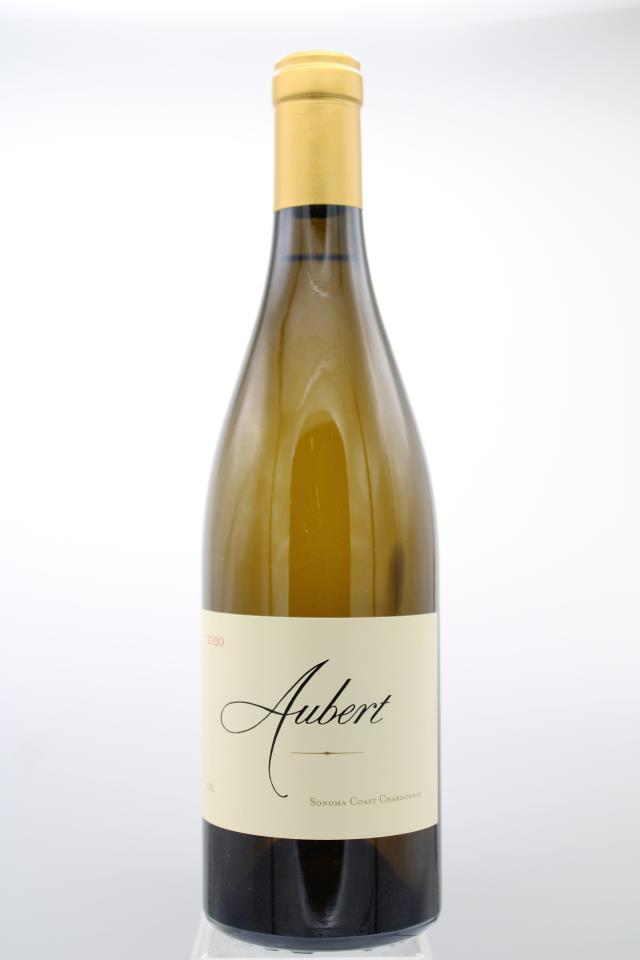 1 / 2
Lot 1591
Estimate: $425
This auction has ended. Bidding is closed.
Collection name
Reviews
97WA
"Another terrific year for this bottling, the 2020 Chardonnay CIX Estate—from Montrachet-selection budwood on vines planted in 2008, and matured in 75% new French oak—is lightly toasty, then tropical, with yellow peach, possibly even mango notes, balanced by bright, lime-like acids. It's full-bodied, creamy and rich, yet not heavy at all, with great energy and lift on the finish. My tasting with Mark Aubert was one of the most anticipated visits of my first year reviewing Napa wines for Robert Parker Wine Advocate. Having read years of previous reviews—and sampling the occasional bottle along the way—I had high expectations for the wines. This was an opportunity to look at Aubert's 2020 Chardonnays from bottle (there were no 2020 single-vineyard Pinot Noirs released) and take a pre-bottling look at the 2021s. Despite the French-sounding surname, Aubert himself is as American as they come. His family moved from Sacramento to Napa in the 1960s to be closer to wine country. His father was a pharmacist in St. Helena with a small vineyard (longtime fans may remember the Petite Sirah and Cabernet Sauvignon Aubert made for his father under the Rockland label), and Aubert graduated from Fresno with a degree in fermentation science in 1985. ‘Growing up in Napa in the 1970s was very different than it is now,’ he smiles. Aubert succeeded Helen Turley at Peter Michael and Colgin, founding his own label in 1999. The focus is on Chardonnay and Pinot Noir, largely from Sonoma, but Aubert's roots are in Napa, as is the winery, off the Silverado Trail near Calistoga. He and his wife, Teresa, who manages the winery's business affairs, recently purchased two acres next door to enlarge the winery. Aubert says he's hoping to acquire the neighbor's additional adjacent 14 acres to plant to Sauvignon Blanc. With the increased awareness of fire risk in this part of the valley, Aubert thinks more whites will be planted in the area. In 2020, Aubert bottled fewer wines than normal. There's no Eastside Chardonnay in 2020, as a frost in March crisped all the shoots, and the resulting yields were down by 70%. Aubert decided not to bottle it. Yields were reduced by frost at some other sites as well. It was a dry year with no major heat spikes, yielding concentrated fruit, said Aubert. But the big story of 2020 was smoke. ‘It was hazy for two or three weeks with the smoke,’ said Aubert. ‘But we just went out and said, 'We're going to make our wine the same way.'‘ Aubert didn't bottle any single-vineyard Pinots from the vintage, but the Chardonnays are largely their usual dramatic selves. The Chardonnays are whole-bunch pressed, briefly settled, barrel fermented and matured in barrel for 10–12 months, then finish their maturation in tank for two months prior to bottling—an ideal time frame in which to taste them. Aubert claims that finishing in tank allows him to bottle with lower sulfur levels, somewhere around 80 to 90 parts per million. ‘Overuse of sulfur can create reduction that masks vineyard character,’ he said. ‘I've never filtered an Aubert Chardonnay.’ The 2021 Chardonnays reviewed here were tasted as tank samples when I visited in November 2022. The 2021 Pinot Noirs had already been bottled. Coming off 2020, Aubert described 2021 as a winemaker's dream. ‘Not really any big heat waves, but with the drought and soils being drier, you get nice, concentrated grapes. Pretty textbook-perfect vintage. Good yields for Chardonnay. [If] we get three tons per acre, I'm happy. Look at the color; the wines are electric, yellow-green.’ The Aubert Chardonnays are big (typically 15% alcohol), flavorful wines, dominated in their youth by ripe fruit flavors and balanced acidities—despite being aged in as much as 75% new French oak—wines that epitomize their West Coast origins. Personified, they're the All-American, stereotypical California pinup on the surface, with sufficient depth and complexity to get into Ivy League colleges, and acquiring layers of greater richness and discretion with age. Even if you don't think that's your type, there's virtually no denying the matinee-idol-meets-deep-thinker appeal these wines possess. Regarding the Pinot Noirs here, while Aubert said, ‘We like ’em to match the Chardonnays. They need to be big and rich and hedonistic,’ the 2021s—at least at this stage, to my palate—show an unexpected degree of restraint. Whether because of genetic material (budwood selections from Calera and Vosne-Romanée), site selection or vintage character, these are not massively endowed wines, despite spending 10–12 days on skins post-ferment to bring out what Aubert calls, ‘voluptuous tannins.’ All are aged in 50% to 60% new French oak from the same coopers Aubert uses for his Chardonnays, but they're sourced from milder forests and made using lower toast levels to avoid over-wooding. The resulting wines are silky in feel and show ample ripeness, but their most impressive qualities are balance, harmony, structure and (presumably) an ability to improve over time in the bottle. Impressive."
Region
White
Country
Score
"Another terrific year for this bottling, the 2020 Chardonnay CIX Estate—from Montrachet-selection budwood on vines planted in 2008, and matured in 75% new French oak—is lightly toasty, then tropical, with yellow peach, possibly even mango notes, balanced by bright, lime-like acids. It's full-bodied, creamy and rich, yet not heavy at all, with great energy and lift on the finish. My tasting with Mark Aubert was one of the most anticipated visits of my first year reviewing Napa wines for Robert Parker Wine Advocate. Having read years of previous reviews—and sampling the occasional bottle along the way—I had high expectations for the wines. This was an opportunity to look at Aubert's 2020 Chardonnays from bottle (there were no 2020 single-vineyard Pinot Noirs released) and take a pre-bottling look at the 2021s. Despite the French-sounding surname, Aubert himself is as American as they come. His family moved from Sacramento to Napa in the 1960s to be closer to wine country. His father was a pharmacist in St. Helena with a small vineyard (longtime fans may remember the Petite Sirah and Cabernet Sauvignon Aubert made for his father under the Rockland label), and Aubert graduated from Fresno with a degree in fermentation science in 1985. ‘Growing up in Napa in the 1970s was very different than it is now,’ he smiles. Aubert succeeded Helen Turley at Peter Michael and Colgin, founding his own label in 1999. The focus is on Chardonnay and Pinot Noir, largely from Sonoma, but Aubert's roots are in Napa, as is the winery, off the Silverado Trail near Calistoga. He and his wife, Teresa, who manages the winery's business affairs, recently purchased two acres next door to enlarge the winery. Aubert says he's hoping to acquire the neighbor's additional adjacent 14 acres to plant to Sauvignon Blanc. With the increased awareness of fire risk in this part of the valley, Aubert thinks more whites will be planted in the area. In 2020, Aubert bottled fewer wines than normal. There's no Eastside Chardonnay in 2020, as a frost in March crisped all the shoots, and the resulting yields were down by 70%. Aubert decided not to bottle it. Yields were reduced by frost at some other sites as well. It was a dry year with no major heat spikes, yielding concentrated fruit, said Aubert. But the big story of 2020 was smoke. ‘It was hazy for two or three weeks with the smoke,’ said Aubert. ‘But we just went out and said, 'We're going to make our wine the same way.'‘ Aubert didn't bottle any single-vineyard Pinots from the vintage, but the Chardonnays are largely their usual dramatic selves. The Chardonnays are whole-bunch pressed, briefly settled, barrel fermented and matured in barrel for 10–12 months, then finish their maturation in tank for two months prior to bottling—an ideal time frame in which to taste them. Aubert claims that finishing in tank allows him to bottle with lower sulfur levels, somewhere around 80 to 90 parts per million. ‘Overuse of sulfur can create reduction that masks vineyard character,’ he said. ‘I've never filtered an Aubert Chardonnay.’ The 2021 Chardonnays reviewed here were tasted as tank samples when I visited in November 2022. The 2021 Pinot Noirs had already been bottled. Coming off 2020, Aubert described 2021 as a winemaker's dream. ‘Not really any big heat waves, but with the drought and soils being drier, you get nice, concentrated grapes. Pretty textbook-perfect vintage. Good yields for Chardonnay. [If] we get three tons per acre, I'm happy. Look at the color; the wines are electric, yellow-green.’ The Aubert Chardonnays are big (typically 15% alcohol), flavorful wines, dominated in their youth by ripe fruit flavors and balanced acidities—despite being aged in as much as 75% new French oak—wines that epitomize their West Coast origins. Personified, they're the All-American, stereotypical California pinup on the surface, with sufficient depth and complexity to get into Ivy League colleges, and acquiring layers of greater richness and discretion with age. Even if you don't think that's your type, there's virtually no denying the matinee-idol-meets-deep-thinker appeal these wines possess. Regarding the Pinot Noirs here, while Aubert said, ‘We like ’em to match the Chardonnays. They need to be big and rich and hedonistic,’ the 2021s—at least at this stage, to my palate—show an unexpected degree of restraint. Whether because of genetic material (budwood selections from Calera and Vosne-Romanée), site selection or vintage character, these are not massively endowed wines, despite spending 10–12 days on skins post-ferment to bring out what Aubert calls, ‘voluptuous tannins.’ All are aged in 50% to 60% new French oak from the same coopers Aubert uses for his Chardonnays, but they're sourced from milder forests and made using lower toast levels to avoid over-wooding. The resulting wines are silky in feel and show ample ripeness, but their most impressive qualities are balance, harmony, structure and (presumably) an ability to improve over time in the bottle. Impressive."
Have questions?
The fourth-largest wine producer in the world, led by California. American fine wine is defined by ripe, expressive fruit and a spirit of innovation, with Napa Valley Cabernet Sauvignon among the most sought-after wines globally.
The world's most versatile white grape, producing everything from steely Chablis to rich, oaked whites. Its neutrality makes it a mirror of terroir and winemaking, and the foundation of white Burgundy and Champagne.