
Loading lot details…
The October 2023 Auction: Part 1
Swipe left for previous · Swipe right for next
 1 / 2
Lot 1014
Estimate: $650
Sold:
This auction has ended. Bidding is closed.
Collection name
Reviews
92VM
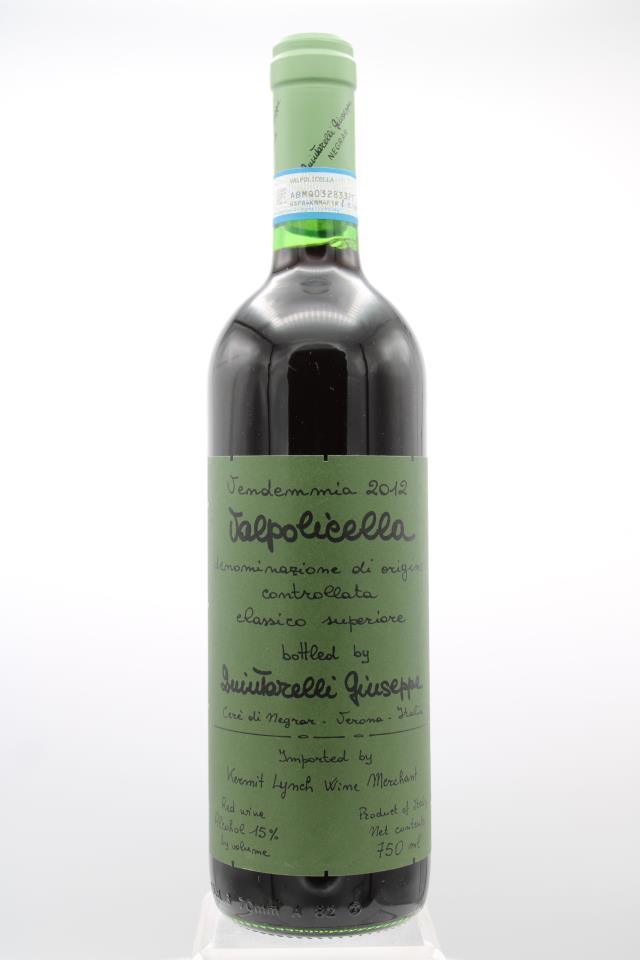
"The 2012 Valpolicella Classico Superiore opens up with dusty dried flowers, black cherries and exotic spices. It gains volume and richness the longer it sits in the glass. Its textures are silky, coasting along a medium-bodied frame with mineral-tinged red fruits energized by brisk acids. The 2012 becomes quite floral toward the close, and incredibly pretty as well, with hints of fine tannin under an air of geranium, violets and sweet lavender. I expect this will flesh out a bit more and excel with another year or two of cellaring. It was made from half fresh-harvested and half air-dried fruit which is matured for six years in cask prior to release. Primarily, the blend is all traditional Venetian red grapes, but it also contains a small amount of other indigenous Italian varieties. Very nice. Quintarelli, located within the Valpolicella Classica region on the hills above the town of Negrar, strives to respect the legend and traditions established by Giuseppe Quintarelli over a career that spanned 60 years. During that time, Quintarelli oversaw the work of many of the region's best modern-day winemakers. For vineyard managers, cellar assistants, and enologists, time spent within the hallowed walls of this winery and cellar was like a golden seal of approval in the winemaking circles of the Veneto. It was with this in mind that the current generation set forward, after Quintarelli’s passing in 2012, to continue to work with the teams of winemakers and assistants that had gained knowledge under his guidance and that of Roberto Ferrarini, the estate's trusted enologist, who also passed away in 2014. As readers can imagine, the loss of these two prominent figures meant that the current generation, led by Fiorenza Grigoli (Giuseppe's daughter), needed to quickly get a handle on all the intricate details and practices that went into creating this portfolio. While speaking with Francesco Grigoli Quintarelli (Giuseppe's grandson), the assistant manager of the property, he spoke in detail about how they only wished to make slow and careful changes, which started to take place in 2009. These included a reduction in oxidation, better control over the use of sulfites and lowering the average percentage of alcohol in the wines. The goal was to create a crisper, more vivid expression of fruit. Otherwise, practices have remained the same. Vineyard management can be described as natural yet practical, intervening only when the vintage demands it; and while passive air-drying of the grapes is preferred, the family is also prepared to use mechanical means if necessary to safeguard the health of the fruit. As for the current vintages, they show terrific purity of fruit and also come across cleaner. That said, Grigoli told me that his next goal is to bring back a bit more of Giuseppe’s character to future vintages."
Region
Red
Country
Score
"The 2012 Valpolicella Classico Superiore opens up with dusty dried flowers, black cherries and exotic spices. It gains volume and richness the longer it sits in the glass. Its textures are silky, coasting along a medium-bodied frame with mineral-tinged red fruits energized by brisk acids. The 2012 becomes quite floral toward the close, and incredibly pretty as well, with hints of fine tannin under an air of geranium, violets and sweet lavender. I expect this will flesh out a bit more and excel with another year or two of cellaring. It was made from half fresh-harvested and half air-dried fruit which is matured for six years in cask prior to release. Primarily, the blend is all traditional Venetian red grapes, but it also contains a small amount of other indigenous Italian varieties. Very nice. Quintarelli, located within the Valpolicella Classica region on the hills above the town of Negrar, strives to respect the legend and traditions established by Giuseppe Quintarelli over a career that spanned 60 years. During that time, Quintarelli oversaw the work of many of the region's best modern-day winemakers. For vineyard managers, cellar assistants, and enologists, time spent within the hallowed walls of this winery and cellar was like a golden seal of approval in the winemaking circles of the Veneto. It was with this in mind that the current generation set forward, after Quintarelli’s passing in 2012, to continue to work with the teams of winemakers and assistants that had gained knowledge under his guidance and that of Roberto Ferrarini, the estate's trusted enologist, who also passed away in 2014. As readers can imagine, the loss of these two prominent figures meant that the current generation, led by Fiorenza Grigoli (Giuseppe's daughter), needed to quickly get a handle on all the intricate details and practices that went into creating this portfolio. While speaking with Francesco Grigoli Quintarelli (Giuseppe's grandson), the assistant manager of the property, he spoke in detail about how they only wished to make slow and careful changes, which started to take place in 2009. These included a reduction in oxidation, better control over the use of sulfites and lowering the average percentage of alcohol in the wines. The goal was to create a crisper, more vivid expression of fruit. Otherwise, practices have remained the same. Vineyard management can be described as natural yet practical, intervening only when the vintage demands it; and while passive air-drying of the grapes is preferred, the family is also prepared to use mechanical means if necessary to safeguard the health of the fruit. As for the current vintages, they show terrific purity of fruit and also come across cleaner. That said, Grigoli told me that his next goal is to bring back a bit more of Giuseppe’s character to future vintages."
Have questions?
Italy grows more indigenous grape varieties than any other country and produces wine in all 20 of its regions. From Piedmont's Nebbiolo to Tuscany's Sangiovese, its finest wines pair structure and bright acidity with a strong sense of place.
A prolific northern region known for Amarone della Valpolicella, made from dried grapes, as well as Soave and Prosecco. Its finest reds are rich, warming and concentrated.