
Loading lot details…
The October 2023 Auction: Part 2
Swipe left for previous · Swipe right for next
 1 / 2
Lot 322
Estimate: $500
Sold:
This auction has ended. Bidding is closed.
Collection name
Reviews
94AG
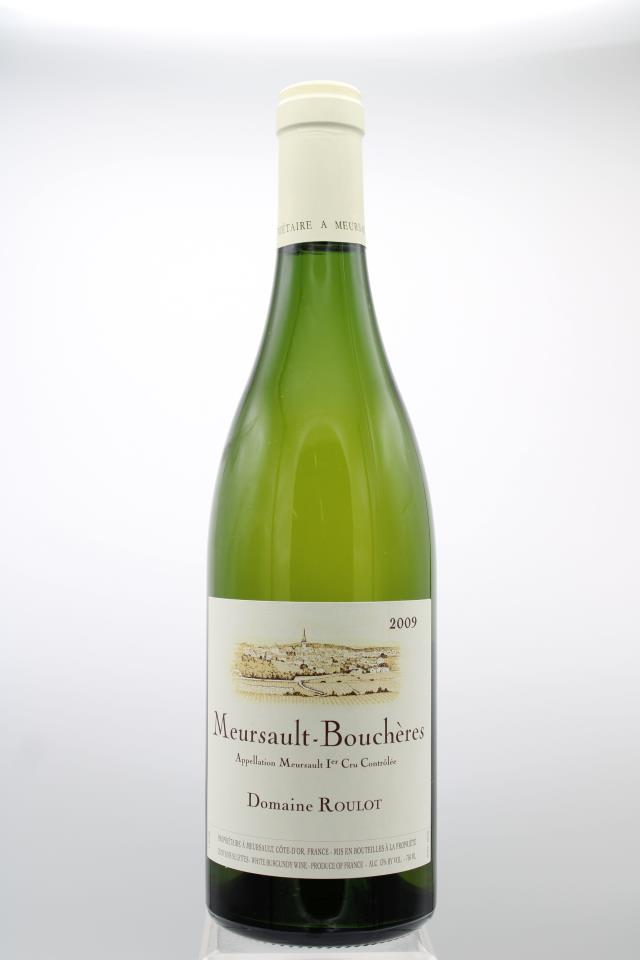
"The 2009 Meursault Boucheres emerges from the glass with lime, bright citrus, white flowers and crushed rocks. It shows gorgeous inner tension, expressive perfume and a long, impeccable silky finish. Bright floral notes add lift on the finish. This could probably use another few years in bottle. This is a very steep slope that passes very quickly from being ripe to over-ripe, so the harvest date is critical . . . . Jean-Marc Roulot is one of the most thoughtful, introspective growers in Burgundy, so it is hardly a surprise his 2009s are so sublime. The domaine has grown to 15 hectares as of the 2011 harvest. Roulot was among a group of investors including Dominique Lafon who purchased Domaine Rene Manuel from Laboure-Roi. Readers can look forward to two new wines from Roulot a Meursault Clos de la Baronne, Meursault Clos de Bouchere, plus a little more production of the Poruzots. Roulot was among the first to harvest, and started picking on September 1st. Accodring to Roulot, the optimal window for picking has become much narrower with today’s increasingly warmer growing seasons. Roulot told me he prefers 2009 to 2008 as the fruit was healthier, with no botrytis or other issues, which resulted in wines of greater focus. The 2009s spent 12 months in oak followed by 6 months in steel with very light and infrequent batonnage. The Bourgogne saw less than 10% new barrels, while the village wines saw 15-18% new barrels and the premier crus 25-30% new barrels. Unfortunately I was not able to taste the 2010s as they were in full malolactic fermentation."
Region
White
Country
Score
"The 2009 Meursault Boucheres emerges from the glass with lime, bright citrus, white flowers and crushed rocks. It shows gorgeous inner tension, expressive perfume and a long, impeccable silky finish. Bright floral notes add lift on the finish. This could probably use another few years in bottle. This is a very steep slope that passes very quickly from being ripe to over-ripe, so the harvest date is critical . . . . Jean-Marc Roulot is one of the most thoughtful, introspective growers in Burgundy, so it is hardly a surprise his 2009s are so sublime. The domaine has grown to 15 hectares as of the 2011 harvest. Roulot was among a group of investors including Dominique Lafon who purchased Domaine Rene Manuel from Laboure-Roi. Readers can look forward to two new wines from Roulot a Meursault Clos de la Baronne, Meursault Clos de Bouchere, plus a little more production of the Poruzots. Roulot was among the first to harvest, and started picking on September 1st. Accodring to Roulot, the optimal window for picking has become much narrower with today’s increasingly warmer growing seasons. Roulot told me he prefers 2009 to 2008 as the fruit was healthier, with no botrytis or other issues, which resulted in wines of greater focus. The 2009s spent 12 months in oak followed by 6 months in steel with very light and infrequent batonnage. The Bourgogne saw less than 10% new barrels, while the village wines saw 15-18% new barrels and the premier crus 25-30% new barrels. Unfortunately I was not able to taste the 2010s as they were in full malolactic fermentation."
Have questions?
The world's most influential fine-wine producer and the benchmark for Bordeaux, Burgundy, Champagne and the Rhone. Its appellation (AOC) system codifies geography, grape and method, and its wines set the global standard for age-worthiness and terroir expression.
Produces the world's most revered Pinot Noir and Chardonnay from a mosaic of tiny, terroir-defined climats. Its hierarchy of village, Premier Cru and Grand Cru vineyards makes site the ultimate expression of quality.
The Cote de Beaune's largest white-wine village, known for rich, nutty, buttery Chardonnay of generous texture.
2009 in Burgundy was warm and sunny, producing ripe, rich and generous reds of hedonistic charm and supple tannins; the whites are opulent but can lack acidity, making them best enjoyed relatively young.
The world's most versatile white grape, producing everything from steely Chablis to rich, oaked whites. Its neutrality makes it a mirror of terroir and winemaking, and the foundation of white Burgundy and Champagne.