
Loading lot details…
The December 2023 Auction: Part 2
Swipe left for previous · Swipe right for next
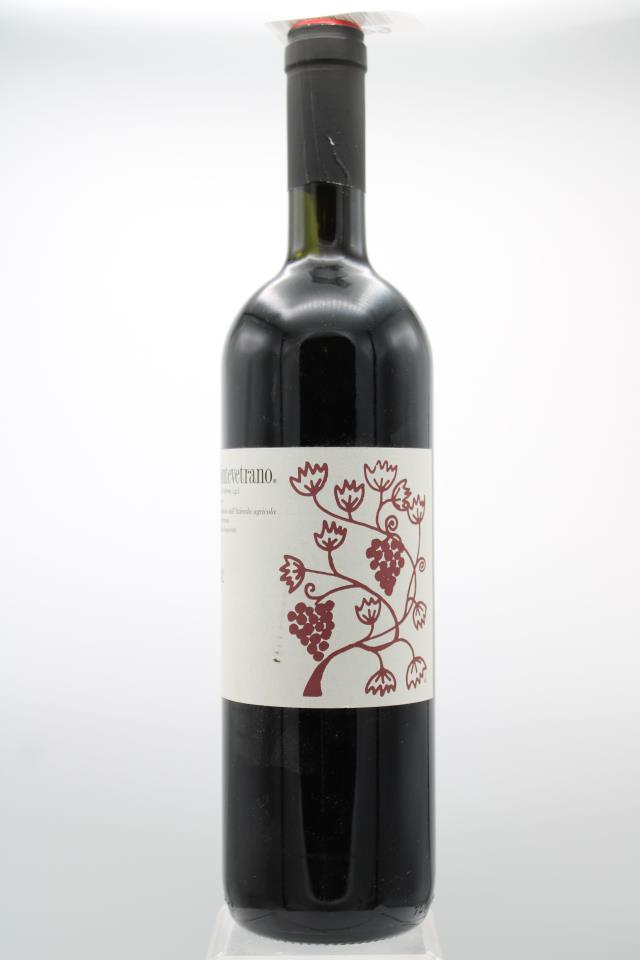 1 / 2
Lot 748
Estimate: $30
Nicked label
Sold:
This auction has ended. Bidding is closed.
Collection name
Reviews
92WA
"There is a wild, unrestrained quality to the 2002 I find very appealing. Grilled herbs, blackberries, leather and spices flow from the glass. This is likely to always remain a rather firm wine, but it also has the freshness to age beautifully in the coming years . . . . it will be wonderful on its own, especially at the dinner table . . . . Montevetrano is approximately 60% Cabernet Sauvignon, 30% Merlot and 10% Aglianico (the international varieties were planted on the existing Aglianico rootstocks) although the exact blend changes from year to year depending on vintage conditions. Imparato makes it clear she isn’t a big fan of giving the exact breakdown in each vintage, so readers should take the varietal blend as a rough guideline. Clearly there are a number of vintages where the Aglianico seems to come through with a much more assertive voice than 10% would lead one to believe. The harvest times vary greatly from Merlot to Aglianico, so the different grape varieties are harvested and vinified separately. Consulting oenologist Riccardo Cotarella fashions the final blend before the wines undergo malolactic fermentation. As opposed to Terra di Lavoro, which mostly sees malo in steel, here Cotarella feels more at ease doing the malos in oak as Cabernet Sauvignon and Merlot are clearly more suited to this approach than Aglianico. Montevetrano was aged in 100% new oak until 1995, when the percentage of new barrels was dropped to 50%."
Region
Red
Country
Score
"There is a wild, unrestrained quality to the 2002 I find very appealing. Grilled herbs, blackberries, leather and spices flow from the glass. This is likely to always remain a rather firm wine, but it also has the freshness to age beautifully in the coming years . . . . it will be wonderful on its own, especially at the dinner table . . . . Montevetrano is approximately 60% Cabernet Sauvignon, 30% Merlot and 10% Aglianico (the international varieties were planted on the existing Aglianico rootstocks) although the exact blend changes from year to year depending on vintage conditions. Imparato makes it clear she isn’t a big fan of giving the exact breakdown in each vintage, so readers should take the varietal blend as a rough guideline. Clearly there are a number of vintages where the Aglianico seems to come through with a much more assertive voice than 10% would lead one to believe. The harvest times vary greatly from Merlot to Aglianico, so the different grape varieties are harvested and vinified separately. Consulting oenologist Riccardo Cotarella fashions the final blend before the wines undergo malolactic fermentation. As opposed to Terra di Lavoro, which mostly sees malo in steel, here Cotarella feels more at ease doing the malos in oak as Cabernet Sauvignon and Merlot are clearly more suited to this approach than Aglianico. Montevetrano was aged in 100% new oak until 1995, when the percentage of new barrels was dropped to 50%."
Have questions?
Italy grows more indigenous grape varieties than any other country and produces wine in all 20 of its regions. From Piedmont's Nebbiolo to Tuscany's Sangiovese, its finest wines pair structure and bright acidity with a strong sense of place.
The world's most planted premium red grape, yielding deeply colored, tannic and structured wines with cassis, cedar and graphite notes. Firm tannins and acidity make it exceptionally age-worthy, whether as a varietal or the backbone of a Bordeaux blend.
Produces plush, supple, fruit-forward reds with plum and chocolate notes. Softer and earlier-maturing than Cabernet, it adds flesh and roundness to blends and stars in Right Bank Bordeaux.