
Loading lot details…
The October 2024 Auction: Part 4
Swipe left for previous · Swipe right for next
 1 / 2
Lot 192
Estimate: $350
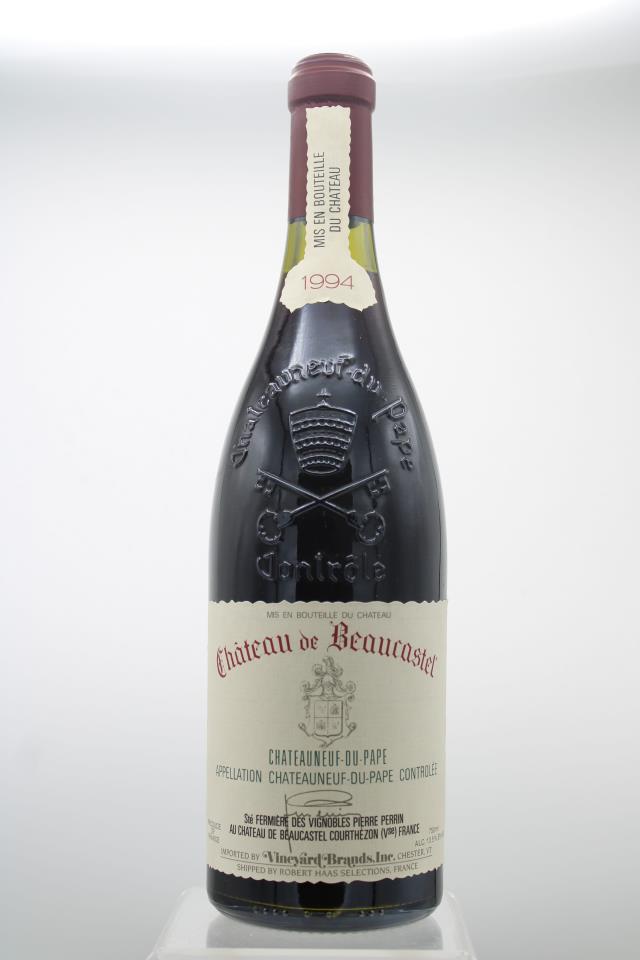
3x 2.5cm, 2x 2cm, 1 nicked label.
This auction has ended. Bidding is closed.
Collection name
Reviews
93RP
"As I stated last year, the 1994 Chateauneuf du Pape is a black/ruby/purple wine with sweet, expansive, chewy fruit. It reminds me of a more concentrated 1985, with nearly the character and size of the prodigious 1989. It possesses the lowest percentage of Grenache (30%) of any Chateauneuf du Pape, and the highest percentage of Mourvedre (40%). For example, the 1993 Beaucastel, which was so tasty early in life, is now locked in a profoundly dumb stage. I am not sure the 1994 will ever close down as much because it is such a sweet, rich, thick, chewy wine with full body, and a superb nose of smoky black fruits, Asian spices, licorice, olives, and herbs. Full, concentrated, and lush, it should drink well . . . . This wine was tasted between June 1 and June 16, 1996. Beaucastel represents the highest level of serious, artisanal winemaking, but readers need to keep in mind that Beaucastel is the most atypical wine of Chateauneuf du Pape, so different, it almost deserves its own appellation. Beaucastel has had spectacular vintages in both 1994 and 1995. In 1994, the estate began its harvest early (August 31). In 1995, the key was to wait out the two weeks of intermittent showers between September 7 and 19, and pick late. The success of this philosophy was seen time and time again when tasting the successes and mediocrities of the two vintages. Those producers who harvested early in 1994 made the finest wines, but in contrast, those who picked late in 1995 were usually the most successful. The red wines of Beaucastel have a tendency to close down once they are bottled, as the high percentage of Mourvedre begins to dominate the wine's personality . . ."
Region
Red
Country
Score
"As I stated last year, the 1994 Chateauneuf du Pape is a black/ruby/purple wine with sweet, expansive, chewy fruit. It reminds me of a more concentrated 1985, with nearly the character and size of the prodigious 1989. It possesses the lowest percentage of Grenache (30%) of any Chateauneuf du Pape, and the highest percentage of Mourvedre (40%). For example, the 1993 Beaucastel, which was so tasty early in life, is now locked in a profoundly dumb stage. I am not sure the 1994 will ever close down as much because it is such a sweet, rich, thick, chewy wine with full body, and a superb nose of smoky black fruits, Asian spices, licorice, olives, and herbs. Full, concentrated, and lush, it should drink well . . . . This wine was tasted between June 1 and June 16, 1996. Beaucastel represents the highest level of serious, artisanal winemaking, but readers need to keep in mind that Beaucastel is the most atypical wine of Chateauneuf du Pape, so different, it almost deserves its own appellation. Beaucastel has had spectacular vintages in both 1994 and 1995. In 1994, the estate began its harvest early (August 31). In 1995, the key was to wait out the two weeks of intermittent showers between September 7 and 19, and pick late. The success of this philosophy was seen time and time again when tasting the successes and mediocrities of the two vintages. Those producers who harvested early in 1994 made the finest wines, but in contrast, those who picked late in 1995 were usually the most successful. The red wines of Beaucastel have a tendency to close down once they are bottled, as the high percentage of Mourvedre begins to dominate the wine's personality . . ."
Have questions?
The world's most influential fine-wine producer and the benchmark for Bordeaux, Burgundy, Champagne and the Rhone. Its appellation (AOC) system codifies geography, grape and method, and its wines set the global standard for age-worthiness and terroir expression.
Spans the Syrah-driven northern crus of Cote-Rotie and Hermitage and the Grenache-based blends of the warmer south, led by Chateauneuf-du-Pape. Its wines are known for power, spice and warmth.
The southern Rhone's most famous appellation, blending Grenache with Syrah, Mourvedre and more into rich, warming, spice-laden reds from galet-strewn soils.