
Loading lot details…
The May 2025 Auction: Part 1
Swipe left for previous · Swipe right for next
 1 / 2
Lot 116
Estimate: $70
Very lightly bin soiled label.
Sold:
This auction has ended. Bidding is closed.
Collection name
Reviews
92RP
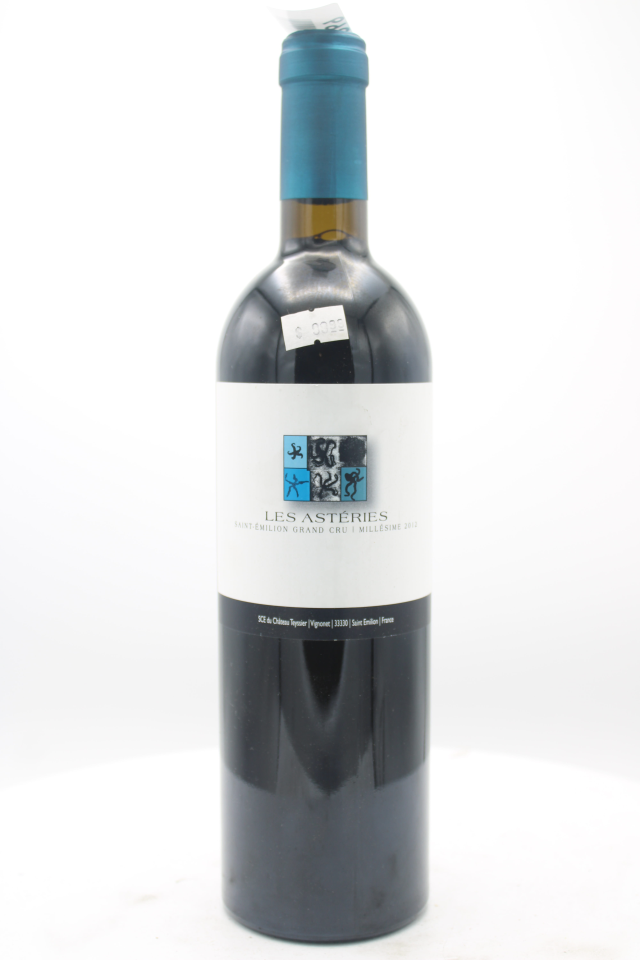
"This single-vineyard wine emerges from 80-year-old vines that survived the brutal frost that destroyed much of the Right Bank in 1956. Very low yields produced a wine (only 450 cases) that is largely Merlot (80%) with some Cabernet Franc (20%) in it. Deep black and red currant fruit intermixed with spice box, earth and background forest floor and graphite make for a medium to full-bodied, rich, supple-textured, delicious St.-Emilion to drink over the next 10-12 years."
Region
Red
Country
Score
"This single-vineyard wine emerges from 80-year-old vines that survived the brutal frost that destroyed much of the Right Bank in 1956. Very low yields produced a wine (only 450 cases) that is largely Merlot (80%) with some Cabernet Franc (20%) in it. Deep black and red currant fruit intermixed with spice box, earth and background forest floor and graphite make for a medium to full-bodied, rich, supple-textured, delicious St.-Emilion to drink over the next 10-12 years."
Have questions?
The world's most influential fine-wine producer and the benchmark for Bordeaux, Burgundy, Champagne and the Rhone. Its appellation (AOC) system codifies geography, grape and method, and its wines set the global standard for age-worthiness and terroir expression.
The world's largest fine-wine region, built around blends of Cabernet Sauvignon and Merlot. Divided by the Gironde estuary into the structured Left Bank and the plush, Merlot-led Right Bank, it is the historic benchmark for age-worthy claret and sweet Sauternes.
2012 in Bordeaux was a challenging, uneven year, with a wet spring and harvest-time rain favoring early-ripening Merlot; the Right Bank outperformed, producing supple, moderately structured wines built for earlier drinking than surrounding vintages.
An aromatic red grape lending perfume, red fruit and a leafy, savory edge. It thrives in the Loire and as a key blending partner in Bordeaux, especially Saint-Emilion.
Produces plush, supple, fruit-forward reds with plum and chocolate notes. Softer and earlier-maturing than Cabernet, it adds flesh and roundness to blends and stars in Right Bank Bordeaux.