Loading lot details…
The October 2026 Auction: Part 4
Swipe left for previous · Swipe right for next
Lot 4737
Estimate: $14
This auction has ended. Bidding is closed.
Collection name
Region
Red
Country
Have questions?
The fourth-largest wine producer in the world, led by California. American fine wine is defined by ripe, expressive fruit and a spirit of innovation, with Napa Valley Cabernet Sauvignon among the most sought-after wines globally.
Oregon is a Pacific Northwest wine-producing state with varied valley, hillside and cross-border vineyard regions. Origins such as Willamette Valley and the Columbia Gorge provide more specific geographic identities, with the full appellation identifying each wine's particular area. Explore Oregon auction offerings at Spectrum Wine, with producer, vintage or release, provenance and bottle condition documented for each lot.
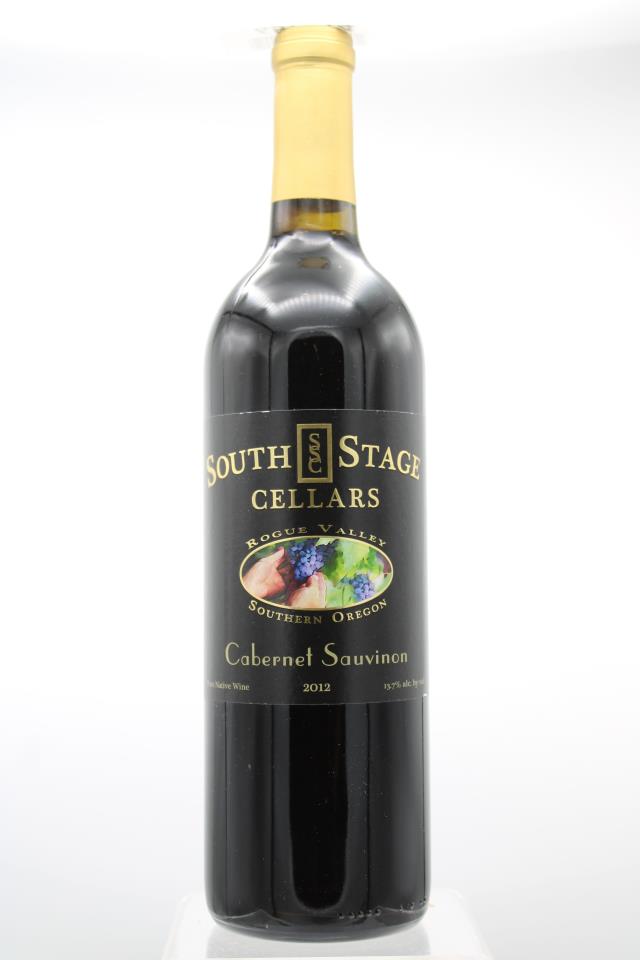
Southern Oregon is an American Viticultural Area in Oregon, located in Douglas, Jackson and Josephine counties. Its defined boundaries provide a geographical reference for exploring the wines of this part of Oregon. Explore Southern Oregon auction wines at Spectrum Wine, comparing producers, vineyard names and vintages with provenance and bottle condition stated for each lot.
Cabernet Sauvignon is a red grape known for deep color, firm tannins and a clearly defined structure. Blackcurrant, often described as cassis, is a signature flavor, accompanied by blackberry and, depending on the wine, cedar, graphite, mint or herbal notes. Oak aging can add spice and toast, while bottle age may bring tobacco, leather and other savory layers. The grape is a cornerstone of Bordeaux's Left Bank, especially the Médoc and Graves, where it is commonly blended with Merlot, Cabernet Franc and smaller amounts of other varieties. Beyond Bordeaux, Cabernet Sauvignon has established distinctive regional identities, including Australia's Coonawarra and Margaret River. Vineyard climate and ripeness influence whether the emphasis falls on fresh fruit and herbs or richer, fuller expressions. Its tannins, acidity and concentration can support long development in well-balanced examples. Many accessible styles are made for earlier enjoyment, while more structured wines reward time as their tannins soften and their aromas evolve. Cabernet Sauvignon brings depth and backbone to blends and can also express a vineyard's character as a varietal wine.