
Loading lot details…
The October 2026 Auction: Part 5
Swipe left for previous · Swipe right for next
 1 / 2
Lot 2220
Estimate: $350
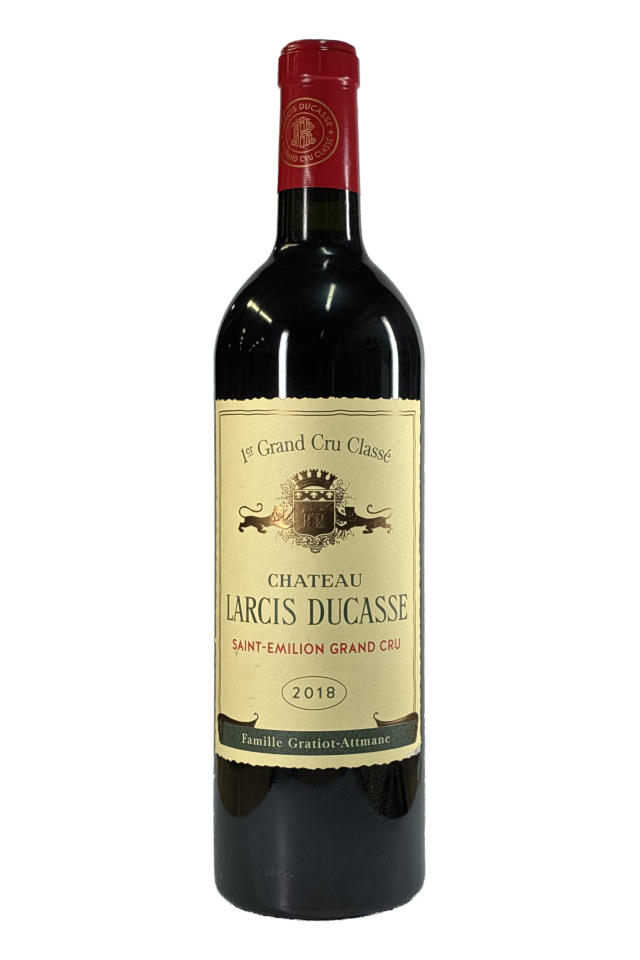
2 lightly torn, 2 very lightly bin soiled, 2 lightly torn and very lightly bin soiled labels.
Sold:
This auction has ended. Bidding is closed.
Collection name
Reviews
100JD
"The 2018 Château Larcis Ducasse checks in as 89% Merlot and 11% Cabernet Franc that comes from a gorgeous hillside terroir on the Côte Pavie, located between Château Pavie and Château Bellefont-Belcier. Aged 18 months in 60% new barrels, it offers a truly sensational bouquet of ripe blackcurrants, espresso roast, scorched earth, bloody meat, chocolate, iron, and bouquet garni. A massive, super-rich Saint-Emilion with a dense, concentrated, layered mouthfeel, it has building yet sweet tannins and incredible purity of fruit. Reminding me of the 2005 shortly after release, this heavenly juice offers astonishing richness and depth while staying flawlessly balanced and elegant. Sadly, there are less than 3,000 cases produced, but this monumental, legendary wine won't hit maturity for a good 8-10 years and will have 40-50 years of longevity if well stored. Hats off to Nicolas Thienpont and consultant Stéphane Derenoncourt for producing one of the wines of the vintage as well as one of the greatest young Bordeaux I've ever tasted."
Region
Red
Country
Score
"The 2018 Château Larcis Ducasse checks in as 89% Merlot and 11% Cabernet Franc that comes from a gorgeous hillside terroir on the Côte Pavie, located between Château Pavie and Château Bellefont-Belcier. Aged 18 months in 60% new barrels, it offers a truly sensational bouquet of ripe blackcurrants, espresso roast, scorched earth, bloody meat, chocolate, iron, and bouquet garni. A massive, super-rich Saint-Emilion with a dense, concentrated, layered mouthfeel, it has building yet sweet tannins and incredible purity of fruit. Reminding me of the 2005 shortly after release, this heavenly juice offers astonishing richness and depth while staying flawlessly balanced and elegant. Sadly, there are less than 3,000 cases produced, but this monumental, legendary wine won't hit maturity for a good 8-10 years and will have 40-50 years of longevity if well stored. Hats off to Nicolas Thienpont and consultant Stéphane Derenoncourt for producing one of the wines of the vintage as well as one of the greatest young Bordeaux I've ever tasted."
Have questions?
The world's most influential fine-wine producer and the benchmark for Bordeaux, Burgundy, Champagne and the Rhone. Its appellation (AOC) system codifies geography, grape and method, and its wines set the global standard for age-worthiness and terroir expression.
The world's largest fine-wine region, built around blends of Cabernet Sauvignon and Merlot. Divided by the Gironde estuary into the structured Left Bank and the plush, Merlot-led Right Bank, it is the historic benchmark for age-worthy claret and sweet Sauternes.
2018 in Bordeaux paired a wet, mildew-plagued spring with a hot, dry summer drought; the wines are rich, powerful and opulent, with high alcohol, ripe tannins and excellent long-term aging potential.
Merlot is a red grape valued for generous fruit, a rounded palate and a supple, often velvety texture. Plum and cherry are characteristic flavors, sometimes accompanied by violet or fig, with chocolate, coffee and savory notes developing in some wines as they mature. Its styles range from bright, approachable reds to deeply concentrated wines with substantial structure. Bordeaux is Merlot's historic home, and the grape is particularly important on the Right Bank in Saint-Émilion, Pomerol and Fronsac. There it can lead a blend, frequently partnered with Cabernet Franc. Across Bordeaux, Merlot also complements Cabernet Sauvignon, contributing fruit and roundness alongside the latter's firmer tannic framework. Merlot generally ripens earlier than Cabernet Sauvignon, helping growers achieve ripe fruit in a range of conditions. Vineyard site, harvest timing and cellar choices determine the final balance of richness, freshness and tannin. Many bottlings offer pleasure in their youth, while fine, well-balanced examples can develop layered aromas and greater complexity through extended aging.