
Loading lot details…
The October 2026 Auction: Part 5
Swipe left for previous · Swipe right for next
 1 / 2
Lot 2605
Estimate: $2,000
OWC, banded prior to SWA inspection.
Sold:
This auction has ended. Bidding is closed.
Collection name
Reviews
97+AG
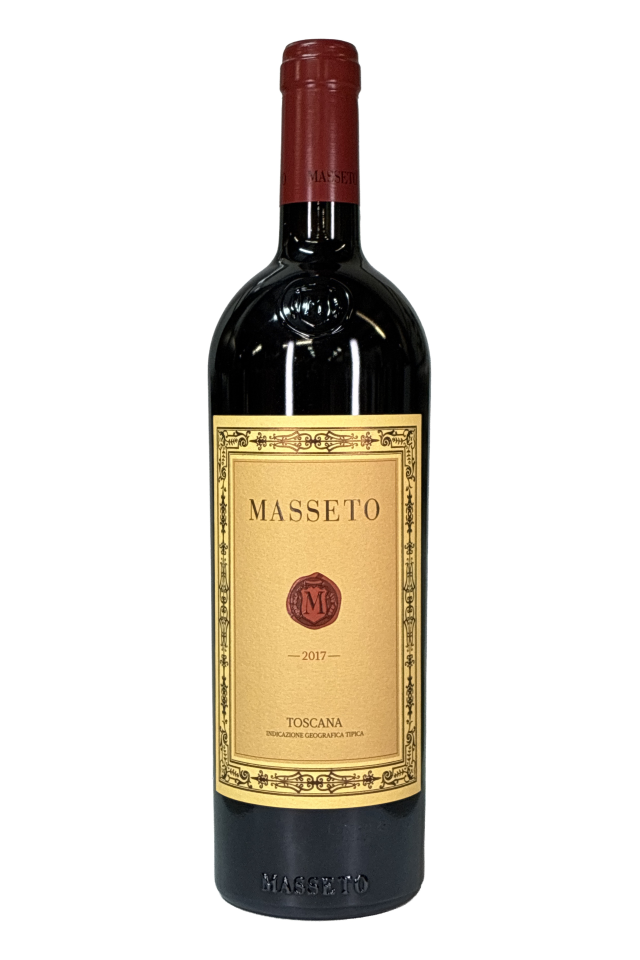
"The 2017 Masseto is fabulous. A wine of tremendous inner perfume and sensuality, the 2017 dazzles from start to finish. Although not the most potent or structured Masseto, the 2017 impresses with its breathtaking finesse. The flavors are vibrant and remarkably pure from start to finish. Blackberry jam, bittersweet chocolate, spice, lavender and licorice all come alive in the glass. I have a hard time thinking of a Masseto with this much sheer allure at the outset. Masseto has so often been a wine of impact, but the 2017 says it all with finesse. It spent 22 months in 100% new oak, a bit less time than is typical, and finished its aging in tank, decisions taken to preserve as much freshness as possible. These are two fabulous wines from Masseto. In 2017, Estate Director Axel Heinz opted for gentle extractions and low temperatures in order to not over-extract in a vintage in which the grapes were already very rich. That approach paid off beautifully, as the 2017 Masseto is magnificent. Readers will also want to check out the new second wine, Massetino, which is once again superb in 2018. A small addition of Cabernet Franc makes Massetino so distinctive."
Region
Red
Country
Score
"The 2017 Masseto is fabulous. A wine of tremendous inner perfume and sensuality, the 2017 dazzles from start to finish. Although not the most potent or structured Masseto, the 2017 impresses with its breathtaking finesse. The flavors are vibrant and remarkably pure from start to finish. Blackberry jam, bittersweet chocolate, spice, lavender and licorice all come alive in the glass. I have a hard time thinking of a Masseto with this much sheer allure at the outset. Masseto has so often been a wine of impact, but the 2017 says it all with finesse. It spent 22 months in 100% new oak, a bit less time than is typical, and finished its aging in tank, decisions taken to preserve as much freshness as possible. These are two fabulous wines from Masseto. In 2017, Estate Director Axel Heinz opted for gentle extractions and low temperatures in order to not over-extract in a vintage in which the grapes were already very rich. That approach paid off beautifully, as the 2017 Masseto is magnificent. Readers will also want to check out the new second wine, Massetino, which is once again superb in 2018. A small addition of Cabernet Franc makes Massetino so distinctive."
Have questions?
Wine is made in all 20 of Italy’s regions, from Alpine valleys to Mediterranean islands. Much of that variety comes from grapes with deep local roots. In Piedmont, Nebbiolo gives Barolo and Barbaresco their perfume and firm tannins. In Tuscany, Sangiovese brings red cherry and bright acidity to Chianti Classico and Brunello di Montalcino. Veneto spans a different range, from fresh, Garganega-based Soave to Amarone della Valpolicella, made from grapes dried before fermentation. Italy’s whites and sparkling wines are just as varied. The Marche is known for Verdicchio, while Sicily’s Mount Etna produces whites based on Carricante and reds led by Nerello Mascalese. In southern Italy, Campania is home to both Fiano di Avellino and the structured Aglianico reds of Taurasi. For bubbles, look to the orchard fruit of Glera-based Prosecco or the fine mousse and bready notes of Franciacorta, which gets its sparkle from a second fermentation in the bottle. An Italian label often leads with a place name. DOC and DOCG identify protected denominations with rules for where and how the wine is made. IGT also identifies a geographic origin and can give producers more latitude in their choice of grapes and blends.
The heartland of Sangiovese, producing Chianti Classico, Brunello di Montalcino and the Cabernet-influenced 'Super Tuscans' of the coast. Its wines balance bright acidity, savory structure and cellar-worthiness.
Merlot is a red grape valued for generous fruit, a rounded palate and a supple, often velvety texture. Plum and cherry are characteristic flavors, sometimes accompanied by violet or fig, with chocolate, coffee and savory notes developing in some wines as they mature. Its styles range from bright, approachable reds to deeply concentrated wines with substantial structure. Bordeaux is Merlot's historic home, and the grape is particularly important on the Right Bank in Saint-Émilion, Pomerol and Fronsac. There it can lead a blend, frequently partnered with Cabernet Franc. Across Bordeaux, Merlot also complements Cabernet Sauvignon, contributing fruit and roundness alongside the latter's firmer tannic framework. Merlot generally ripens earlier than Cabernet Sauvignon, helping growers achieve ripe fruit in a range of conditions. Vineyard site, harvest timing and cellar choices determine the final balance of richness, freshness and tannin. Many bottlings offer pleasure in their youth, while fine, well-balanced examples can develop layered aromas and greater complexity through extended aging.