
Loading lot details…
The November 2026 Auction: Part 1
Swipe left for previous · Swipe right for next
 1 / 2
Lot 305
Estimate: $600
12x2.0cm.
This auction has ended. Bidding is closed.
Collection name
Reviews
95WA
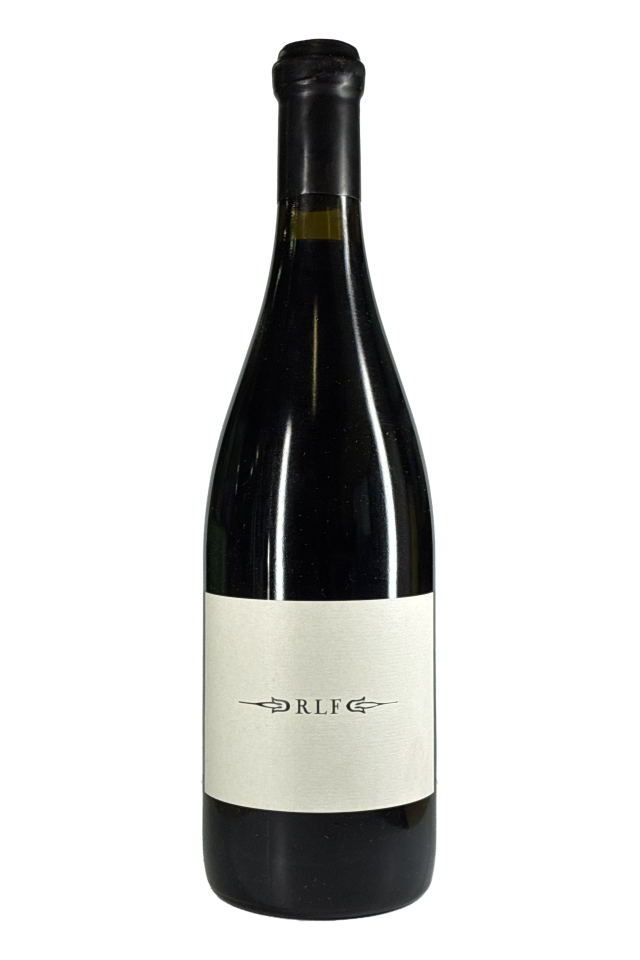
"A change up from the 100% Grenache cuvees of the past, the 2014 Rlf is 100% Pinot Noir, and it's a damn good one as well. Sporting a deeper ruby color and offering up overflowing notes of black raspberries, toasted spice, sweet oak, forest floor and a touch of marine-like saltiness, this beauty is medium to full-bodied, sexy, seamless and layered on the palate, with a terrific finish. Hats off to winemaker Eric Jensen, who's known as a Syrah and Grenache guy, for this smokin' effort. It should drink nicely through 2024 (although there's no need to hold off). As I've commented in the past, the wines from Eric Jensen at Booker are some of the most impressive releases coming out of California. While in the past, they relied on pure fruit and texture to impress, today they possess layered, elegant and complex characters paired with serious depth, richness and structure. While 2013 -2015 are all great vintages at this estate, the 2014s have more noticeable tannic grip and really deserve 2-3 years or more of cellaring."
Region
Red
Country
Score
"A change up from the 100% Grenache cuvees of the past, the 2014 Rlf is 100% Pinot Noir, and it's a damn good one as well. Sporting a deeper ruby color and offering up overflowing notes of black raspberries, toasted spice, sweet oak, forest floor and a touch of marine-like saltiness, this beauty is medium to full-bodied, sexy, seamless and layered on the palate, with a terrific finish. Hats off to winemaker Eric Jensen, who's known as a Syrah and Grenache guy, for this smokin' effort. It should drink nicely through 2024 (although there's no need to hold off). As I've commented in the past, the wines from Eric Jensen at Booker are some of the most impressive releases coming out of California. While in the past, they relied on pure fruit and texture to impress, today they possess layered, elegant and complex characters paired with serious depth, richness and structure. While 2013 -2015 are all great vintages at this estate, the 2014s have more noticeable tannic grip and really deserve 2-3 years or more of cellaring."
Have questions?
The fourth-largest wine producer in the world, led by California. American fine wine is defined by ripe, expressive fruit and a spirit of innovation, with Napa Valley Cabernet Sauvignon among the most sought-after wines globally.
Paso Robles is a diverse wine region in northern San Luis Obispo County on California's Central Coast. Established in 1983, the Paso Robles American Viticultural Area spans rolling inland hills, river valleys and the eastern slopes of the Santa Lucia Range. Warm days, cool nights and Pacific breezes moving through gaps in the coastal mountains help shape a broad range of wine styles. Cabernet Sauvignon is a leading variety, alongside Merlot and other Bordeaux grapes. Syrah, Grenache and Mourvèdre underpin the region's celebrated Rhône-style reds, while Zinfandel holds an important place in its winegrowing heritage. White varieties including Viognier and Roussanne add further diversity. Single-variety bottlings share the stage with blends that reflect Paso Robles winemakers' willingness to work across regional traditions. Eleven nested appellations reveal the area's differences in elevation, exposure, rainfall and soils. These include Adelaida District, Paso Robles Willow Creek District and Templeton Gap District. Calcareous marine deposits, sandy loams and alluvial soils contribute to a varied vineyard landscape, so a wine's character depends on its particular site as well as its grape variety and winemaking. Paso Robles offers a distinctive combination of California sunshine, coastal influence and regional individuality.
Booker is a Paso Robles wine producer known for Rhône varieties and blends grown on California's Central Coast. Eric and Lisa Jensen purchased the original estate in 2001, and Booker released its first wines from the 2005 vintage. The name honors Claude and Dick Booker, the brothers who previously owned the property and left their estate to charity. Steep hillsides and calcareous soils define Booker's westside Paso Robles vineyard landscape. Syrah, Grenache and Mourvèdre are central to its identity, appearing in both varietal wines and blends. Fracture showcases Syrah, Ripper highlights Grenache, and Oublié brings together the three classic red Rhône grapes. These bottlings reflect a winemaking approach that responds to the character of the fruit and each growing season rather than following a single fixed formula. Farming is a defining part of the Booker story. The vineyard achieved organic certification in 2021 and Regenerative Organic Certified status in 2023. Cover crops, composting, limited tillage and sheep grazing support its emphasis on soil health and vineyard stewardship. Together, the estate's hillside setting, Rhône focus and attention to farming give Booker a distinctive place in Paso Robles wine country.
Pinot Noir is a thin-skinned red grape celebrated for aromatic detail, silky texture and sensitivity to its growing site. Cherry and strawberry are familiar flavors, often accompanied by floral notes and, with maturity, earthy or forest-floor complexity. Its wines are commonly light to medium in body, with freshness and fine tannins that can give a sense of delicacy alongside considerable depth. Burgundy is Pinot Noir's historic home and a benchmark for the grape. There, differences in soil, slope and exposure can produce distinct expressions from neighboring vineyards, making Pinot Noir central to the region's emphasis on terroir. Beyond Burgundy, cooler growing regions have developed their own interpretations, including Australia's Yarra Valley, Mornington Peninsula and Tasmania. Pinot Noir can produce fresh, fruit-focused wines for earlier enjoyment as well as more structured examples that gain complexity with age. Vineyard conditions and choices in fermentation and oak aging influence its balance of perfume, fruit and savory character. Its appeal lies in nuance and the way a single grape can communicate the individuality of a place.