Loading lot details…
The November 2026 Auction: Part 1
Swipe left for previous · Swipe right for next
Lot 1155
Estimate: $70
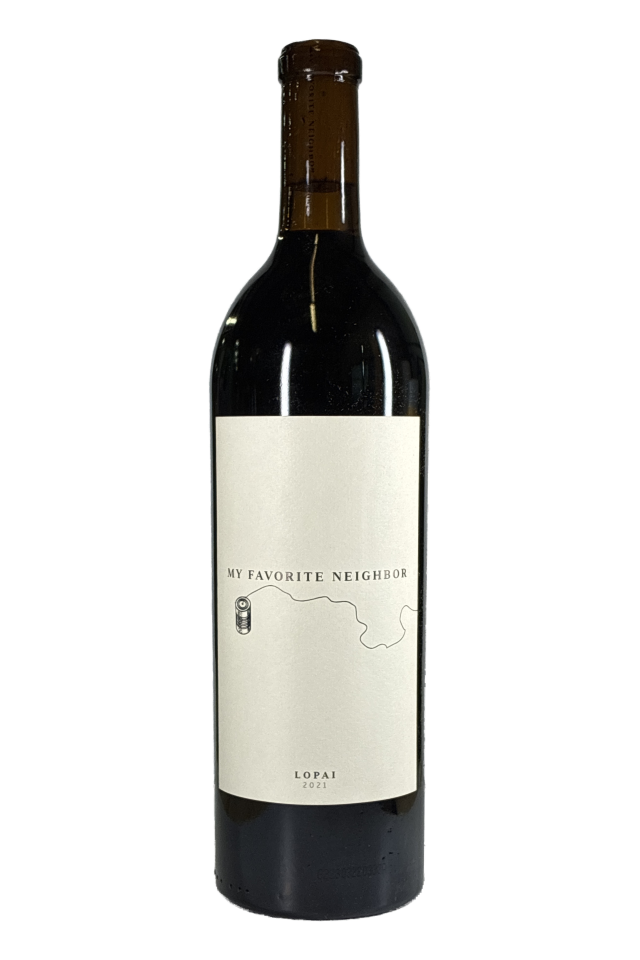
1 lightly wrinkled label.
This auction has ended. Bidding is closed.
Collection name
Region
Red
Country
Have questions?
The fourth-largest wine producer in the world, led by California. American fine wine is defined by ripe, expressive fruit and a spirit of innovation, with Napa Valley Cabernet Sauvignon among the most sought-after wines globally.
Paso Robles is a diverse wine region in northern San Luis Obispo County on California's Central Coast. Established in 1983, the Paso Robles American Viticultural Area spans rolling inland hills, river valleys and the eastern slopes of the Santa Lucia Range. Warm days, cool nights and Pacific breezes moving through gaps in the coastal mountains help shape a broad range of wine styles. Cabernet Sauvignon is a leading variety, alongside Merlot and other Bordeaux grapes. Syrah, Grenache and Mourvèdre underpin the region's celebrated Rhône-style reds, while Zinfandel holds an important place in its winegrowing heritage. White varieties including Viognier and Roussanne add further diversity. Single-variety bottlings share the stage with blends that reflect Paso Robles winemakers' willingness to work across regional traditions. Eleven nested appellations reveal the area's differences in elevation, exposure, rainfall and soils. These include Adelaida District, Paso Robles Willow Creek District and Templeton Gap District. Calcareous marine deposits, sandy loams and alluvial soils contribute to a varied vineyard landscape, so a wine's character depends on its particular site as well as its grape variety and winemaking. Paso Robles offers a distinctive combination of California sunshine, coastal influence and regional individuality.
Booker is a Paso Robles wine producer known for Rhône varieties and blends grown on California's Central Coast. Eric and Lisa Jensen purchased the original estate in 2001, and Booker released its first wines from the 2005 vintage. The name honors Claude and Dick Booker, the brothers who previously owned the property and left their estate to charity. Steep hillsides and calcareous soils define Booker's westside Paso Robles vineyard landscape. Syrah, Grenache and Mourvèdre are central to its identity, appearing in both varietal wines and blends. Fracture showcases Syrah, Ripper highlights Grenache, and Oublié brings together the three classic red Rhône grapes. These bottlings reflect a winemaking approach that responds to the character of the fruit and each growing season rather than following a single fixed formula. Farming is a defining part of the Booker story. The vineyard achieved organic certification in 2021 and Regenerative Organic Certified status in 2023. Cover crops, composting, limited tillage and sheep grazing support its emphasis on soil health and vineyard stewardship. Together, the estate's hillside setting, Rhône focus and attention to farming give Booker a distinctive place in Paso Robles wine country.
Cabernet Sauvignon is a red grape known for deep color, firm tannins and a clearly defined structure. Blackcurrant, often described as cassis, is a signature flavor, accompanied by blackberry and, depending on the wine, cedar, graphite, mint or herbal notes. Oak aging can add spice and toast, while bottle age may bring tobacco, leather and other savory layers. The grape is a cornerstone of Bordeaux's Left Bank, especially the Médoc and Graves, where it is commonly blended with Merlot, Cabernet Franc and smaller amounts of other varieties. Beyond Bordeaux, Cabernet Sauvignon has established distinctive regional identities, including Australia's Coonawarra and Margaret River. Vineyard climate and ripeness influence whether the emphasis falls on fresh fruit and herbs or richer, fuller expressions. Its tannins, acidity and concentration can support long development in well-balanced examples. Many accessible styles are made for earlier enjoyment, while more structured wines reward time as their tannins soften and their aromas evolve. Cabernet Sauvignon brings depth and backbone to blends and can also express a vineyard's character as a varietal wine.
Yields dark, plush reds with ripe black fruit and soft tannins. A traditional Bordeaux blender, it found its greatest fame in Argentina.
Petit Verdot is a red grape associated with deeply colored wines, firm tannins and pronounced aromatic intensity. Violet, spice and licorice are characteristic notes, with cocoa or coffee appearing in some expressions. Even a small addition can give a blend greater depth, texture and structure. In Bordeaux, Petit Verdot traditionally plays a supporting role alongside Cabernet Sauvignon and Merlot, especially on the Left Bank in the Médoc and Graves. Its late-ripening cycle makes the growing season important: sufficient warmth and time are needed to bring its fruit and tannins to maturity. The proportion used in a blend therefore varies with the vineyard, vintage and producer's style. Petit Verdot is also bottled on its own, particularly in warm growing regions where it can ripen reliably. These wines give a fuller view of its floral, spicy character and concentrated structure. Careful vineyard work and tannin management are central to balancing its intensity, whether it serves as a small but influential blending component or the principal grape in the bottle.
Syrah, also known as Shiraz, is a red grape valued for deep color, dark-fruit flavors and a savory, spicy character. Blackberry and plum are common, often accompanied by violet, black pepper and smoked-meat notes. Its wines range from fragrant, medium-bodied expressions to rich, full-bodied reds, with structure and texture shaped by climate, vineyard site and winemaking. France's northern Rhône Valley is a benchmark for Syrah, with appellations such as Côte-Rôtie, Hermitage and Cornas showcasing its aromatic complexity and structure. In Australia, where it is usually labeled Shiraz, the Barossa Valley and McLaren Vale are known for generous fruit and depth, while cooler regions can produce more restrained, peppery styles. The two names refer to the same grape and do not by themselves guarantee a particular style. Syrah is made both on its own and in blends, including combinations with Grenache and Mourvèdre. Some producers also co-ferment it with a little Viognier. Structured examples can develop additional savory complexity with age, while many wines are crafted for enjoyment in their youth. This combination of fruit, spice and versatility gives Syrah a distinctive identity across a wide range of regions and styles.