
Loading lot details…
The November 2026 Auction: Part 1
Swipe left for previous · Swipe right for next
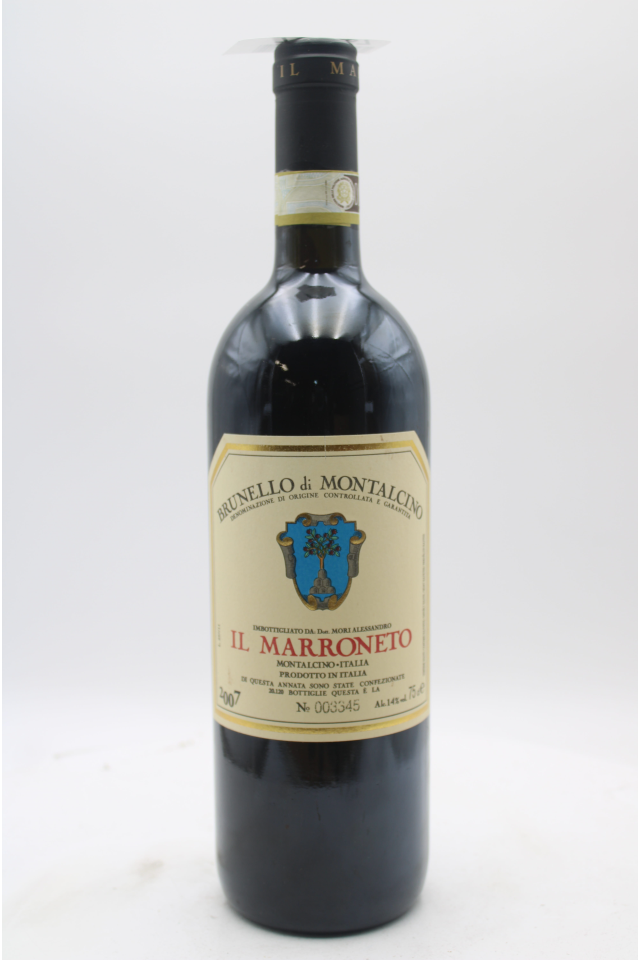 1 / 2
Lot 2802
Estimate: $170
Base neck, lightly wrinkled capsule, very lightly scuffed label.
Sold:
This auction has ended. Bidding is closed.
Collection name
Reviews
94AG
"The 2007 Brunello di Montalcino is striking. Freshly cut roses, sweet red berries, mint and licorice are some of the many notes that flesh out in the glass. Firm tannins provide the backbone to the fruit. The 2007 impresses for its freshness, vibrancy and fabulous overall balance. Bright, high-toned floral notes add lift on the finish. Most important of all, the wine is flat-out delicious. This is a fabulous showing from Il Marroneto."
Region
Red
Country
Score
"The 2007 Brunello di Montalcino is striking. Freshly cut roses, sweet red berries, mint and licorice are some of the many notes that flesh out in the glass. Firm tannins provide the backbone to the fruit. The 2007 impresses for its freshness, vibrancy and fabulous overall balance. Bright, high-toned floral notes add lift on the finish. Most important of all, the wine is flat-out delicious. This is a fabulous showing from Il Marroneto."
Have questions?
Wine is made in all 20 of Italy’s regions, from Alpine valleys to Mediterranean islands. Much of that variety comes from grapes with deep local roots. In Piedmont, Nebbiolo gives Barolo and Barbaresco their perfume and firm tannins. In Tuscany, Sangiovese brings red cherry and bright acidity to Chianti Classico and Brunello di Montalcino. Veneto spans a different range, from fresh, Garganega-based Soave to Amarone della Valpolicella, made from grapes dried before fermentation. Italy’s whites and sparkling wines are just as varied. The Marche is known for Verdicchio, while Sicily’s Mount Etna produces whites based on Carricante and reds led by Nerello Mascalese. In southern Italy, Campania is home to both Fiano di Avellino and the structured Aglianico reds of Taurasi. For bubbles, look to the orchard fruit of Glera-based Prosecco or the fine mousse and bready notes of Franciacorta, which gets its sparkle from a second fermentation in the bottle. An Italian label often leads with a place name. DOC and DOCG identify protected denominations with rules for where and how the wine is made. IGT also identifies a geographic origin and can give producers more latitude in their choice of grapes and blends.
The heartland of Sangiovese, producing Chianti Classico, Brunello di Montalcino and the Cabernet-influenced 'Super Tuscans' of the coast. Its wines balance bright acidity, savory structure and cellar-worthiness.
A powerful, age-worthy Sangiovese from the warm hills of Montalcino, requiring extended aging and prized for depth and longevity.
Tuscany's signature red, giving high-acid, savory wines of sour cherry, herbs and firm tannin. It is the backbone of Chianti, Brunello and many Super Tuscans.