
Loading lot details…
The November 2026 Auction: Part 1
Swipe left for previous · Swipe right for next
 1 / 2
Lot 2858
Estimate: $1,500
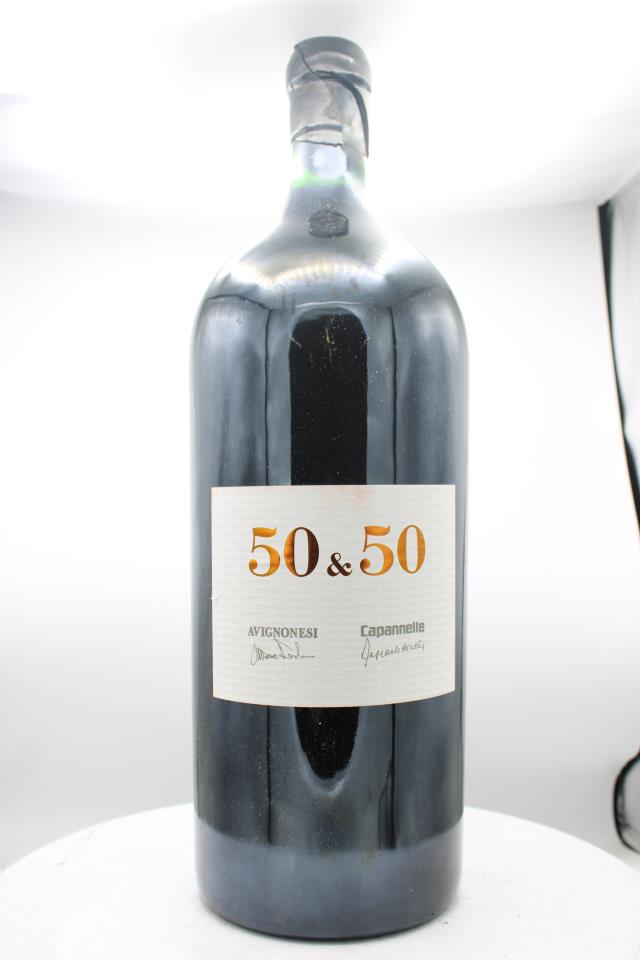
OWC. Cracked, chipped capsule, lightly marked label.
This auction has ended. Bidding is closed.
Collection name
Reviews
94RP
"The joint project of Capannelle and Avignonesi, the 1999 50 & 50 (50% Sangiovese from the Capannelle vineyard and 50% Merlot from the Avignonesi vineyard) may be expensive, but the results are stunning. The opaque purple color is followed by a sweet perfume of espresso, blackberries, black currants, high quality toasty oak, and mocha. This medium to full-bodied, dense, opulently-textured blend possesses copious extract, a boatload of tannin, and a huge finish. For its size and stature, everything is in balance, it just needs time ..."
Region
Red
Country
Score
"The joint project of Capannelle and Avignonesi, the 1999 50 & 50 (50% Sangiovese from the Capannelle vineyard and 50% Merlot from the Avignonesi vineyard) may be expensive, but the results are stunning. The opaque purple color is followed by a sweet perfume of espresso, blackberries, black currants, high quality toasty oak, and mocha. This medium to full-bodied, dense, opulently-textured blend possesses copious extract, a boatload of tannin, and a huge finish. For its size and stature, everything is in balance, it just needs time ..."
Have questions?
Wine is made in all 20 of Italy’s regions, from Alpine valleys to Mediterranean islands. Much of that variety comes from grapes with deep local roots. In Piedmont, Nebbiolo gives Barolo and Barbaresco their perfume and firm tannins. In Tuscany, Sangiovese brings red cherry and bright acidity to Chianti Classico and Brunello di Montalcino. Veneto spans a different range, from fresh, Garganega-based Soave to Amarone della Valpolicella, made from grapes dried before fermentation. Italy’s whites and sparkling wines are just as varied. The Marche is known for Verdicchio, while Sicily’s Mount Etna produces whites based on Carricante and reds led by Nerello Mascalese. In southern Italy, Campania is home to both Fiano di Avellino and the structured Aglianico reds of Taurasi. For bubbles, look to the orchard fruit of Glera-based Prosecco or the fine mousse and bready notes of Franciacorta, which gets its sparkle from a second fermentation in the bottle. An Italian label often leads with a place name. DOC and DOCG identify protected denominations with rules for where and how the wine is made. IGT also identifies a geographic origin and can give producers more latitude in their choice of grapes and blends.
The heartland of Sangiovese, producing Chianti Classico, Brunello di Montalcino and the Cabernet-influenced 'Super Tuscans' of the coast. Its wines balance bright acidity, savory structure and cellar-worthiness.
Merlot is a red grape valued for generous fruit, a rounded palate and a supple, often velvety texture. Plum and cherry are characteristic flavors, sometimes accompanied by violet or fig, with chocolate, coffee and savory notes developing in some wines as they mature. Its styles range from bright, approachable reds to deeply concentrated wines with substantial structure. Bordeaux is Merlot's historic home, and the grape is particularly important on the Right Bank in Saint-Émilion, Pomerol and Fronsac. There it can lead a blend, frequently partnered with Cabernet Franc. Across Bordeaux, Merlot also complements Cabernet Sauvignon, contributing fruit and roundness alongside the latter's firmer tannic framework. Merlot generally ripens earlier than Cabernet Sauvignon, helping growers achieve ripe fruit in a range of conditions. Vineyard site, harvest timing and cellar choices determine the final balance of richness, freshness and tannin. Many bottlings offer pleasure in their youth, while fine, well-balanced examples can develop layered aromas and greater complexity through extended aging.
Tuscany's signature red, giving high-acid, savory wines of sour cherry, herbs and firm tannin. It is the backbone of Chianti, Brunello and many Super Tuscans.