
Loading lot details…
The November 2026 Auction: Part 2
Swipe left for previous · Swipe right for next
 1 / 2
Lot 11
Estimate: $700
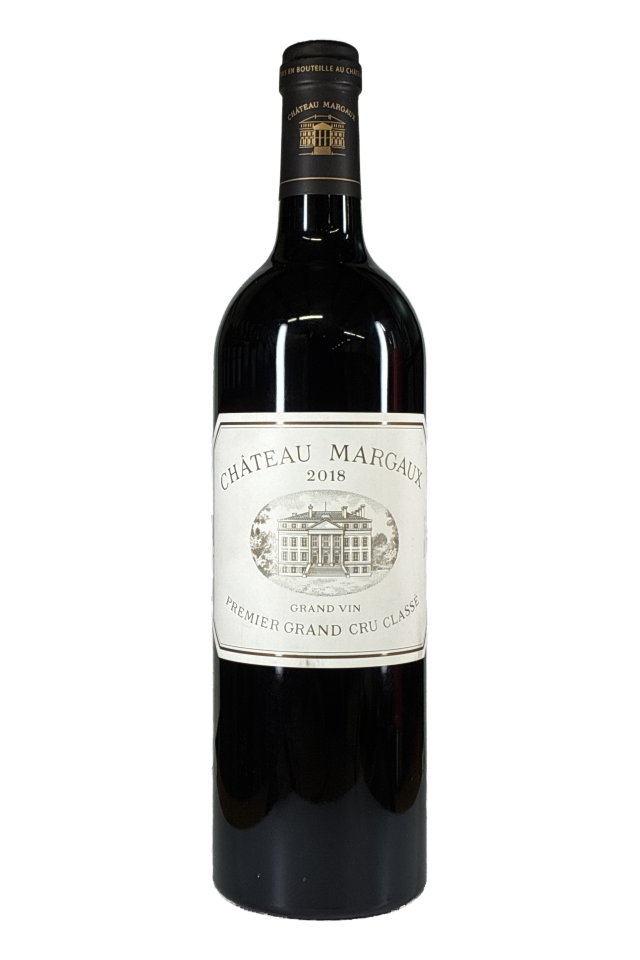
Very lightly bin soiled label.
Next Bid
Opening Bid
Sign in to place bids and add to your watchlist.
Login to BidCollection name
Reviews
100WA
“The 2018 Château Margaux is composed of 90% Cabernet Sauvignon, 4% Merlot, 4% Cabernet Franc and 2% Petit Verdot, representing 36% of the crop this year. The wine has a pH of 3.8 and 14% alcohol. Deep purple-black in color, it slowly unfurls to reveal tantalizing scents of crème de cassis, wild blueberries and Black Forest cake with hints of redcurrant jelly, rose oil, dark chocolate and cedar chest plus a touch of star anise. The medium to full-bodied palate bursts with opulent black fruit, fragrant earth and floral layers, supported by a rock-solid structure of exquisitely ripe, finely grained tannins and seamless backbone of freshness, finishing with fantastic length. This is classic Margaux at its most seductive, although it is, rather amazingly, approachable and absolutely delicious right now. But, to enjoy its full glory, you will want to cellar it for at least 6-8 years and then watch it metamorphize over the next 40+ years. ‘I think September made the vintage,’ Managing Director Philippe Bascaules told me. ‘But we had to take time. Time is important for full ripeness of tannins. We started the Merlot harvest September 17 and finished on September 24. Then we waited until October 4th to begin harvesting the Cabernet. We have a lot of tannin this year. The extraction was huge in the early days. The very small berries made the extraction so easy. So, we changed the winemaking a little bit. Made it softer. We followed the maceration every day.’ The grand vin this year is off the charts incredible. Exotic, flamboyant, totally decadent—but what I particularly love is a freshness and brightness that comes not just from acidity (in fact, the acid is relatively low this year) but from bright red fruit and floral sparks in the wine that provide a seamlessness. Potentially perfect—bravo.”
Region
Red
Country
Score
“The 2018 Château Margaux is composed of 90% Cabernet Sauvignon, 4% Merlot, 4% Cabernet Franc and 2% Petit Verdot, representing 36% of the crop this year. The wine has a pH of 3.8 and 14% alcohol. Deep purple-black in color, it slowly unfurls to reveal tantalizing scents of crème de cassis, wild blueberries and Black Forest cake with hints of redcurrant jelly, rose oil, dark chocolate and cedar chest plus a touch of star anise. The medium to full-bodied palate bursts with opulent black fruit, fragrant earth and floral layers, supported by a rock-solid structure of exquisitely ripe, finely grained tannins and seamless backbone of freshness, finishing with fantastic length. This is classic Margaux at its most seductive, although it is, rather amazingly, approachable and absolutely delicious right now. But, to enjoy its full glory, you will want to cellar it for at least 6-8 years and then watch it metamorphize over the next 40+ years. ‘I think September made the vintage,’ Managing Director Philippe Bascaules told me. ‘But we had to take time. Time is important for full ripeness of tannins. We started the Merlot harvest September 17 and finished on September 24. Then we waited until October 4th to begin harvesting the Cabernet. We have a lot of tannin this year. The extraction was huge in the early days. The very small berries made the extraction so easy. So, we changed the winemaking a little bit. Made it softer. We followed the maceration every day.’ The grand vin this year is off the charts incredible. Exotic, flamboyant, totally decadent—but what I particularly love is a freshness and brightness that comes not just from acidity (in fact, the acid is relatively low this year) but from bright red fruit and floral sparks in the wine that provide a seamlessness. Potentially perfect—bravo.”
Have questions?
The world's most influential fine-wine producer and the benchmark for Bordeaux, Burgundy, Champagne and the Rhone. Its appellation (AOC) system codifies geography, grape and method, and its wines set the global standard for age-worthiness and terroir expression.
The world's largest fine-wine region, built around blends of Cabernet Sauvignon and Merlot. Divided by the Gironde estuary into the structured Left Bank and the plush, Merlot-led Right Bank, it is the historic benchmark for age-worthy claret and sweet Sauternes.
The Left Bank appellation prized for perfumed, silky and elegant Cabernet-based wines. Gravel soils yield claret of aromatic finesse and refinement.
Chateau Margaux is a First Growth estate in Margaux, Bordeaux, celebrated for its perfumed, silky and profoundly elegant Cabernet-dominated wines, considered the epitome of the appellation's finesse.
2018 in Bordeaux paired a wet, mildew-plagued spring with a hot, dry summer drought; the wines are rich, powerful and opulent, with high alcohol, ripe tannins and excellent long-term aging potential.
Cabernet Franc is an aromatic red grape prized for its perfume, freshness and savory character. Raspberry and violet are familiar notes, often joined by red fruit, herbs and a leafy edge. Its wines can be supple and fragrant or more firmly structured, with the balance of fruit, tannin and herbal complexity shaped by ripeness, vineyard site and winemaking. In France's Loire Valley, Cabernet Franc often takes center stage in wines from Chinon, Bourgueil, Saint-Nicolas-de-Bourgueil and Saumur-Champigny. These expressions highlight the grape's ability to reflect differences between vineyards while retaining a distinctive sense of freshness. In Bordeaux, particularly Saint-Émilion, it is an important partner to Merlot and Cabernet Sauvignon, contributing aromatic lift, finesse and structure. Cabernet Franc generally ripens before Cabernet Sauvignon and produces wines ranging from lively, fruit-focused bottlings to concentrated examples capable of developing additional complexity with age. Its appeal lies in the interplay of fruit, floral perfume and savory detail, whether bottled on its own or used to bring nuance to a blend.
Cabernet Sauvignon is a red grape known for deep color, firm tannins and a clearly defined structure. Blackcurrant, often described as cassis, is a signature flavor, accompanied by blackberry and, depending on the wine, cedar, graphite, mint or herbal notes. Oak aging can add spice and toast, while bottle age may bring tobacco, leather and other savory layers. The grape is a cornerstone of Bordeaux's Left Bank, especially the Médoc and Graves, where it is commonly blended with Merlot, Cabernet Franc and smaller amounts of other varieties. Beyond Bordeaux, Cabernet Sauvignon has established distinctive regional identities, including Australia's Coonawarra and Margaret River. Vineyard climate and ripeness influence whether the emphasis falls on fresh fruit and herbs or richer, fuller expressions. Its tannins, acidity and concentration can support long development in well-balanced examples. Many accessible styles are made for earlier enjoyment, while more structured wines reward time as their tannins soften and their aromas evolve. Cabernet Sauvignon brings depth and backbone to blends and can also express a vineyard's character as a varietal wine.
Merlot is a red grape valued for generous fruit, a rounded palate and a supple, often velvety texture. Plum and cherry are characteristic flavors, sometimes accompanied by violet or fig, with chocolate, coffee and savory notes developing in some wines as they mature. Its styles range from bright, approachable reds to deeply concentrated wines with substantial structure. Bordeaux is Merlot's historic home, and the grape is particularly important on the Right Bank in Saint-Émilion, Pomerol and Fronsac. There it can lead a blend, frequently partnered with Cabernet Franc. Across Bordeaux, Merlot also complements Cabernet Sauvignon, contributing fruit and roundness alongside the latter's firmer tannic framework. Merlot generally ripens earlier than Cabernet Sauvignon, helping growers achieve ripe fruit in a range of conditions. Vineyard site, harvest timing and cellar choices determine the final balance of richness, freshness and tannin. Many bottlings offer pleasure in their youth, while fine, well-balanced examples can develop layered aromas and greater complexity through extended aging.
Petit Verdot is a red grape associated with deeply colored wines, firm tannins and pronounced aromatic intensity. Violet, spice and licorice are characteristic notes, with cocoa or coffee appearing in some expressions. Even a small addition can give a blend greater depth, texture and structure. In Bordeaux, Petit Verdot traditionally plays a supporting role alongside Cabernet Sauvignon and Merlot, especially on the Left Bank in the Médoc and Graves. Its late-ripening cycle makes the growing season important: sufficient warmth and time are needed to bring its fruit and tannins to maturity. The proportion used in a blend therefore varies with the vineyard, vintage and producer's style. Petit Verdot is also bottled on its own, particularly in warm growing regions where it can ripen reliably. These wines give a fuller view of its floral, spicy character and concentrated structure. Careful vineyard work and tannin management are central to balancing its intensity, whether it serves as a small but influential blending component or the principal grape in the bottle.