
Loading lot details…
The November 2026 Auction: Part 2
Swipe left for previous · Swipe right for next
 1 / 2
Lot 555
Estimate: $370
1 nicked, lightly bin soiled labels.
Next Bid
Current Bid
Sign in to place bids and add to your watchlist.
Login to BidCollection name
Reviews
98WA
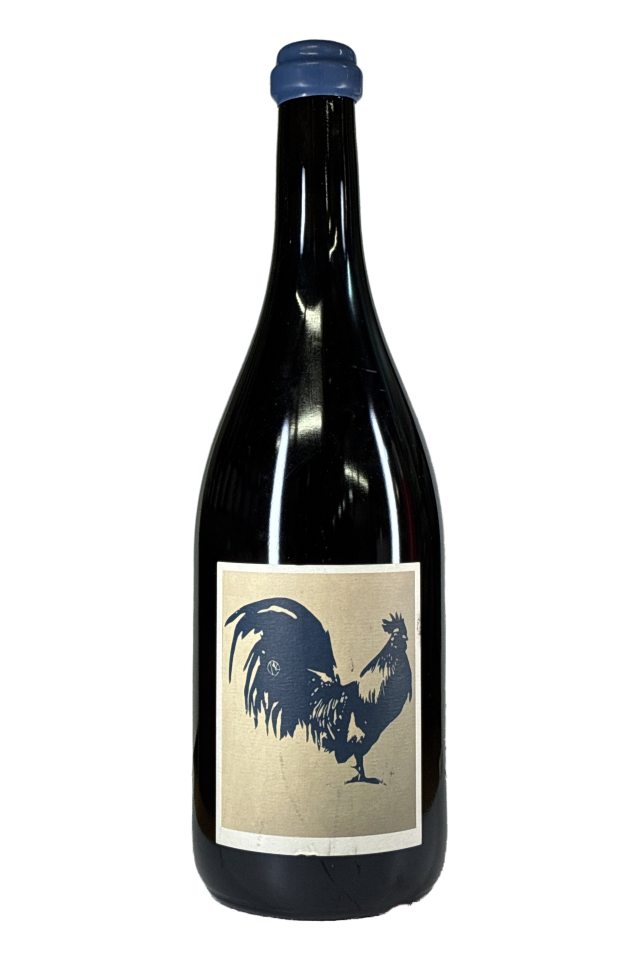
"The 2019 Grenache Distenta I is composed of 76% Grenache, 8% Mourvèdre, 9.3% Syrah, 4.3% Petite Sirah and 2.4% Viognier. The vineyard sources are 11% Cumulus Estate, 39% The Third Twin Estate, 32% Eleven Confessions Estate, 3% Molly Aida and 15% Bien Nacido vineyard. Around 43% whole cluster was performed, predominately on the Grenache. The small proportion of Viognier was co-fermented with red grapes, but interestingly, because it ripens earlier than the reds, the white berries were frozen and added to the reds at the time of fermentation. As an added bonus, these frozen grapes help to cool and, therefore, slow the fermentation. The wine was aged for around 23 months in 26.5% new French oak, 66.7% used oak and 6.8% concrete. It was bottled June 21, 2021. Medium to deep garnet-purple it bursts with profound perfume of black raspberries, boysenberries and cherry preserves, leading to an undercurrent of charcuterie, charcoal, bouquet garni and aniseed. Notions of red roses and garrigue reward patient swirling and coaxing. The full-on full-bodied palate is wonderfully opulent, its intensity offset by fantastic freshness, finishing long with a savory dried herb-laced lift. 1,536 cases plus 600 magnums were made. Due to be released in spring 2022. “Naming wines is becoming impossible,” Manfred Krankl told me last year in a fit of frustration. “Everything has already been taken. Even, 'No Name!'” After this conversation, his nearly completed registration of the name “Squeezebox” for one of the new releases fell through. Someone had already registered that name. The wine’s name had to be changed to “Ziehharmonika,” meaning "squeezebox" in German. It was the last straw. The Krankl’s are done (for now) with new fanciful names for every new Sine Qua Non label each year. From 2019 onward, the wines are all to be called “Distenta,” meaning “unlabeled” in Latin, with a number to follow. Accordingly, the 2019 Grenache and Syrah releases this year are called “Distenta I.” “I cannot say that there will never be a fanciful name again, but for now, we are trying to avoid the nightmare of litigation or removing labels,” said Elaine Krankl. More importantly, the original artwork for the labels will continue to be different every year, as will the blending creation inside the bottle."
Region
Red
Country
Score
"The 2019 Grenache Distenta I is composed of 76% Grenache, 8% Mourvèdre, 9.3% Syrah, 4.3% Petite Sirah and 2.4% Viognier. The vineyard sources are 11% Cumulus Estate, 39% The Third Twin Estate, 32% Eleven Confessions Estate, 3% Molly Aida and 15% Bien Nacido vineyard. Around 43% whole cluster was performed, predominately on the Grenache. The small proportion of Viognier was co-fermented with red grapes, but interestingly, because it ripens earlier than the reds, the white berries were frozen and added to the reds at the time of fermentation. As an added bonus, these frozen grapes help to cool and, therefore, slow the fermentation. The wine was aged for around 23 months in 26.5% new French oak, 66.7% used oak and 6.8% concrete. It was bottled June 21, 2021. Medium to deep garnet-purple it bursts with profound perfume of black raspberries, boysenberries and cherry preserves, leading to an undercurrent of charcuterie, charcoal, bouquet garni and aniseed. Notions of red roses and garrigue reward patient swirling and coaxing. The full-on full-bodied palate is wonderfully opulent, its intensity offset by fantastic freshness, finishing long with a savory dried herb-laced lift. 1,536 cases plus 600 magnums were made. Due to be released in spring 2022. “Naming wines is becoming impossible,” Manfred Krankl told me last year in a fit of frustration. “Everything has already been taken. Even, 'No Name!'” After this conversation, his nearly completed registration of the name “Squeezebox” for one of the new releases fell through. Someone had already registered that name. The wine’s name had to be changed to “Ziehharmonika,” meaning "squeezebox" in German. It was the last straw. The Krankl’s are done (for now) with new fanciful names for every new Sine Qua Non label each year. From 2019 onward, the wines are all to be called “Distenta,” meaning “unlabeled” in Latin, with a number to follow. Accordingly, the 2019 Grenache and Syrah releases this year are called “Distenta I.” “I cannot say that there will never be a fanciful name again, but for now, we are trying to avoid the nightmare of litigation or removing labels,” said Elaine Krankl. More importantly, the original artwork for the labels will continue to be different every year, as will the blending creation inside the bottle."
Have questions?
The fourth-largest wine producer in the world, led by California. American fine wine is defined by ripe, expressive fruit and a spirit of innovation, with Napa Valley Cabernet Sauvignon among the most sought-after wines globally.
Grenache, known as Garnacha in Spain, is a red grape that thrives in warm growing regions. Its wines often show strawberry and raspberry, with peppery spice and sometimes earthy notes. Styles range from fragrant, medium-bodied reds to rich, full-bodied wines with generous alcohol and a rounded texture, depending on the vineyard and winemaking. In France's southern Rhône Valley, Grenache is central to wines such as Châteauneuf-du-Pape and Gigondas, often blended with Syrah and Mourvèdre. It also produces distinctive single-variety wines in Spain and Australia. McLaren Vale and the Barossa Valley are particularly associated with old-vine Grenache, offering expressions that combine ripe fruit, spice and layered texture. Grenache's versatility extends beyond dry reds to rosé and sweet fortified wines. Vineyard conditions, crop levels and cellar choices shape its character, allowing it to deliver both fresh, approachable fruit and more concentrated, structured expressions. Its combination of generosity and adaptability makes it an important grape in both traditional regional blends and wines that showcase a single vineyard.