Loading lot details…
The November 2026 Auction: Part 2
Swipe left for previous · Swipe right for next
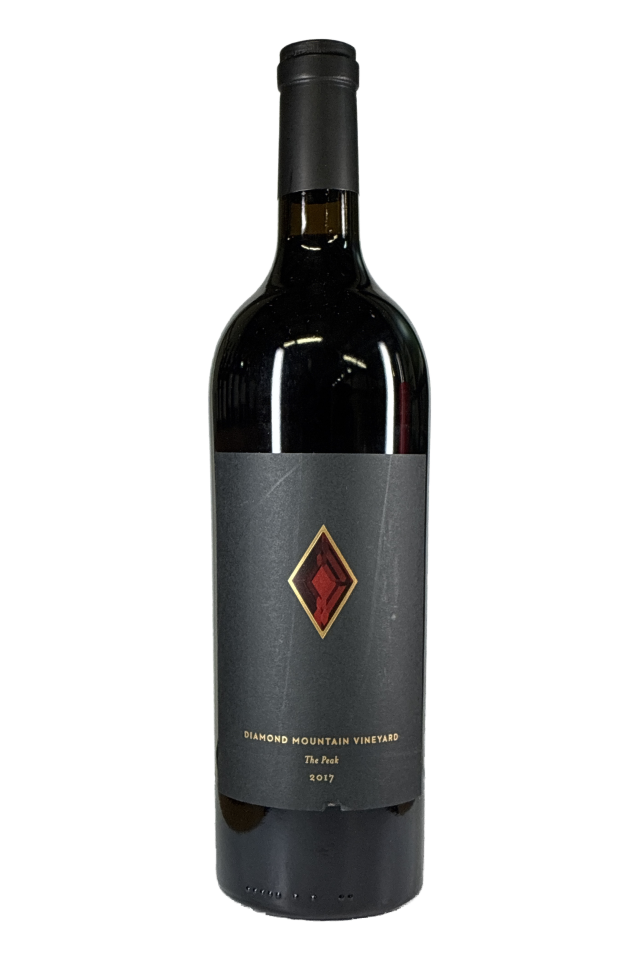
Lot 1117
Estimate: $70
Lightly torn label.
Next Bid
Opening Bid
Sign in to place bids and add to your watchlist.
Login to BidCollection name
Region
Red
Country
Have questions?
The fourth-largest wine producer in the world, led by California. American fine wine is defined by ripe, expressive fruit and a spirit of innovation, with Napa Valley Cabernet Sauvignon among the most sought-after wines globally.
California's most prestigious wine region, celebrated worldwide for opulent, structured Cabernet Sauvignon. Diverse soils and mountain-to-valley-floor sites yield wines of remarkable ripeness, power and longevity.
California's flagship appellation for opulent, structured Cabernet Sauvignon of ripe fruit, plush tannins and cellar-worthy depth.
2017 in Napa Valley saw a wet winter, a scorching Labor Day heat spike and October wildfires; Cabernet picked before the fires is ripe and generous, but quality is variable across this challenging vintage.
Cabernet Franc is an aromatic red grape prized for its perfume, freshness and savory character. Raspberry and violet are familiar notes, often joined by red fruit, herbs and a leafy edge. Its wines can be supple and fragrant or more firmly structured, with the balance of fruit, tannin and herbal complexity shaped by ripeness, vineyard site and winemaking. In France's Loire Valley, Cabernet Franc often takes center stage in wines from Chinon, Bourgueil, Saint-Nicolas-de-Bourgueil and Saumur-Champigny. These expressions highlight the grape's ability to reflect differences between vineyards while retaining a distinctive sense of freshness. In Bordeaux, particularly Saint-Émilion, it is an important partner to Merlot and Cabernet Sauvignon, contributing aromatic lift, finesse and structure. Cabernet Franc generally ripens before Cabernet Sauvignon and produces wines ranging from lively, fruit-focused bottlings to concentrated examples capable of developing additional complexity with age. Its appeal lies in the interplay of fruit, floral perfume and savory detail, whether bottled on its own or used to bring nuance to a blend.
Syrah, also known as Shiraz, is a red grape valued for deep color, dark-fruit flavors and a savory, spicy character. Blackberry and plum are common, often accompanied by violet, black pepper and smoked-meat notes. Its wines range from fragrant, medium-bodied expressions to rich, full-bodied reds, with structure and texture shaped by climate, vineyard site and winemaking. France's northern Rhône Valley is a benchmark for Syrah, with appellations such as Côte-Rôtie, Hermitage and Cornas showcasing its aromatic complexity and structure. In Australia, where it is usually labeled Shiraz, the Barossa Valley and McLaren Vale are known for generous fruit and depth, while cooler regions can produce more restrained, peppery styles. The two names refer to the same grape and do not by themselves guarantee a particular style. Syrah is made both on its own and in blends, including combinations with Grenache and Mourvèdre. Some producers also co-ferment it with a little Viognier. Structured examples can develop additional savory complexity with age, while many wines are crafted for enjoyment in their youth. This combination of fruit, spice and versatility gives Syrah a distinctive identity across a wide range of regions and styles.