Loading lot details…
The November 2026 Auction: Part 3
Swipe left for previous · Swipe right for next
Lot 499
Estimate: $45
Next Bid
Opening Bid
Sign in to place bids and add to your watchlist.
Login to BidCollection name
Region
Red
Country
Have questions?
The fourth-largest wine producer in the world, led by California. American fine wine is defined by ripe, expressive fruit and a spirit of innovation, with Napa Valley Cabernet Sauvignon among the most sought-after wines globally.
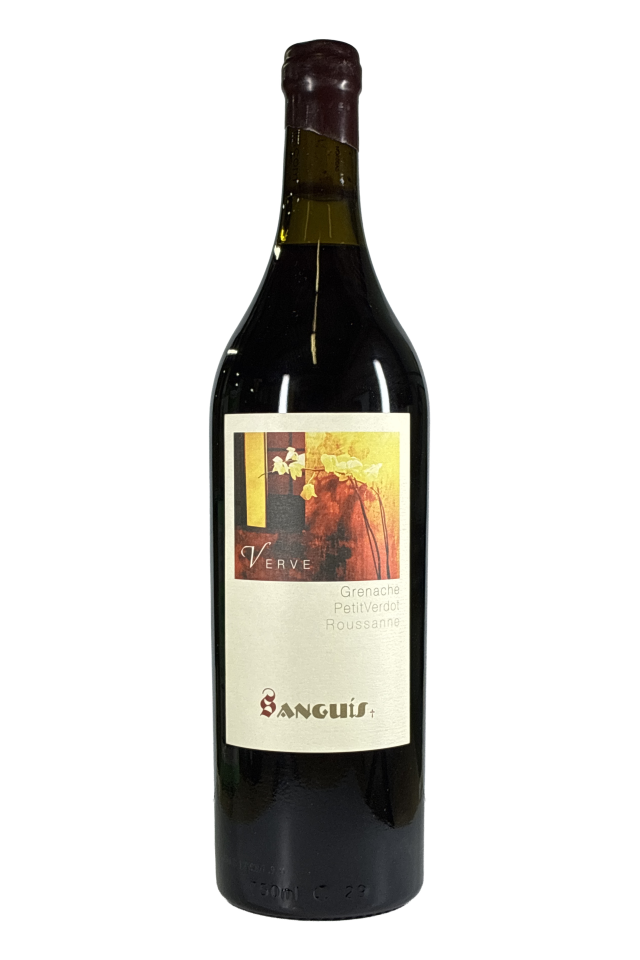
Grenache, known as Garnacha in Spain, is a red grape that thrives in warm growing regions. Its wines often show strawberry and raspberry, with peppery spice and sometimes earthy notes. Styles range from fragrant, medium-bodied reds to rich, full-bodied wines with generous alcohol and a rounded texture, depending on the vineyard and winemaking. In France's southern Rhône Valley, Grenache is central to wines such as Châteauneuf-du-Pape and Gigondas, often blended with Syrah and Mourvèdre. It also produces distinctive single-variety wines in Spain and Australia. McLaren Vale and the Barossa Valley are particularly associated with old-vine Grenache, offering expressions that combine ripe fruit, spice and layered texture. Grenache's versatility extends beyond dry reds to rosé and sweet fortified wines. Vineyard conditions, crop levels and cellar choices shape its character, allowing it to deliver both fresh, approachable fruit and more concentrated, structured expressions. Its combination of generosity and adaptability makes it an important grape in both traditional regional blends and wines that showcase a single vineyard.
Petit Verdot is a red grape associated with deeply colored wines, firm tannins and pronounced aromatic intensity. Violet, spice and licorice are characteristic notes, with cocoa or coffee appearing in some expressions. Even a small addition can give a blend greater depth, texture and structure. In Bordeaux, Petit Verdot traditionally plays a supporting role alongside Cabernet Sauvignon and Merlot, especially on the Left Bank in the Médoc and Graves. Its late-ripening cycle makes the growing season important: sufficient warmth and time are needed to bring its fruit and tannins to maturity. The proportion used in a blend therefore varies with the vineyard, vintage and producer's style. Petit Verdot is also bottled on its own, particularly in warm growing regions where it can ripen reliably. These wines give a fuller view of its floral, spicy character and concentrated structure. Careful vineyard work and tannin management are central to balancing its intensity, whether it serves as a small but influential blending component or the principal grape in the bottle.