
Loading lot details…
The November 2026 Auction: Part 3
Swipe left for previous · Swipe right for next
 1 / 2
Lot 1851
Estimate: $200
Very lightly scuffed label.
Next Bid
Current Bid
Sign in to place bids and add to your watchlist.
Login to BidCollection name
Reviews
97AG
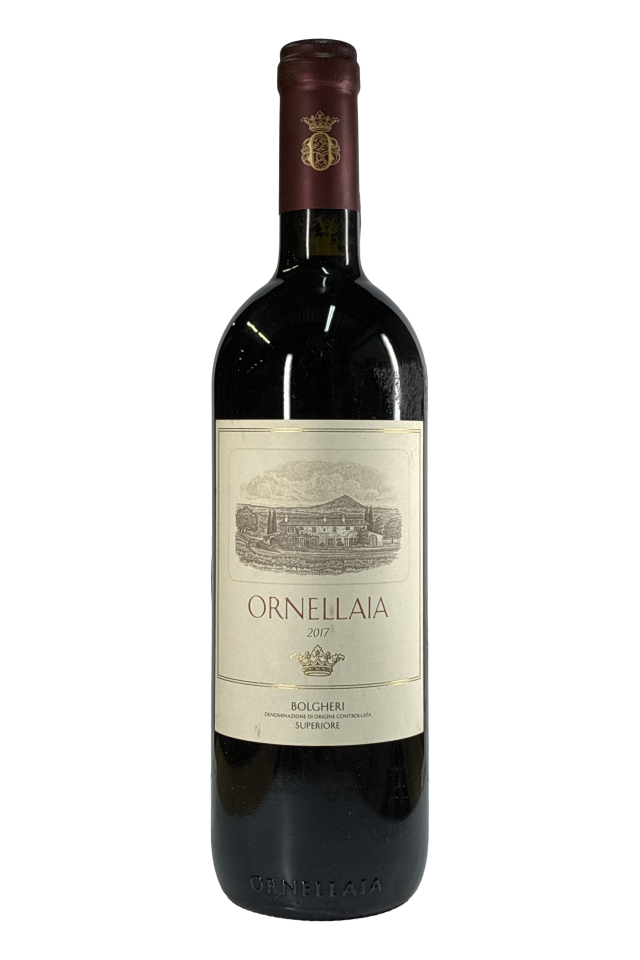
"A stunning wine, the 2017 Ornellaia offers a captivating interplay of richness and energy. Picking early was the key. Young vine Cabernet Sauvignon and Franc were harvested in August for the first time ever. In the glass, the 2017 offers up an enticing mélange of mocha, cedar, tobacco and licorice, with soft curves that add to its sensuality and allure. The 2017 is sumptuous and racy, as Ornellaias from warmer years tend to be, but it is not at all heavy or overdone. In a word: superb. Readers will find plenty to like in these new and upcoming releases from Ornellaia."
Region
Red
Country
Score
"A stunning wine, the 2017 Ornellaia offers a captivating interplay of richness and energy. Picking early was the key. Young vine Cabernet Sauvignon and Franc were harvested in August for the first time ever. In the glass, the 2017 offers up an enticing mélange of mocha, cedar, tobacco and licorice, with soft curves that add to its sensuality and allure. The 2017 is sumptuous and racy, as Ornellaias from warmer years tend to be, but it is not at all heavy or overdone. In a word: superb. Readers will find plenty to like in these new and upcoming releases from Ornellaia."
Have questions?
Wine is made in all 20 of Italy’s regions, from Alpine valleys to Mediterranean islands. Much of that variety comes from grapes with deep local roots. In Piedmont, Nebbiolo gives Barolo and Barbaresco their perfume and firm tannins. In Tuscany, Sangiovese brings red cherry and bright acidity to Chianti Classico and Brunello di Montalcino. Veneto spans a different range, from fresh, Garganega-based Soave to Amarone della Valpolicella, made from grapes dried before fermentation. Italy’s whites and sparkling wines are just as varied. The Marche is known for Verdicchio, while Sicily’s Mount Etna produces whites based on Carricante and reds led by Nerello Mascalese. In southern Italy, Campania is home to both Fiano di Avellino and the structured Aglianico reds of Taurasi. For bubbles, look to the orchard fruit of Glera-based Prosecco or the fine mousse and bready notes of Franciacorta, which gets its sparkle from a second fermentation in the bottle. An Italian label often leads with a place name. DOC and DOCG identify protected denominations with rules for where and how the wine is made. IGT also identifies a geographic origin and can give producers more latitude in their choice of grapes and blends.
The heartland of Sangiovese, producing Chianti Classico, Brunello di Montalcino and the Cabernet-influenced 'Super Tuscans' of the coast. Its wines balance bright acidity, savory structure and cellar-worthiness.
Cabernet Sauvignon is a red grape known for deep color, firm tannins and a clearly defined structure. Blackcurrant, often described as cassis, is a signature flavor, accompanied by blackberry and, depending on the wine, cedar, graphite, mint or herbal notes. Oak aging can add spice and toast, while bottle age may bring tobacco, leather and other savory layers. The grape is a cornerstone of Bordeaux's Left Bank, especially the Médoc and Graves, where it is commonly blended with Merlot, Cabernet Franc and smaller amounts of other varieties. Beyond Bordeaux, Cabernet Sauvignon has established distinctive regional identities, including Australia's Coonawarra and Margaret River. Vineyard climate and ripeness influence whether the emphasis falls on fresh fruit and herbs or richer, fuller expressions. Its tannins, acidity and concentration can support long development in well-balanced examples. Many accessible styles are made for earlier enjoyment, while more structured wines reward time as their tannins soften and their aromas evolve. Cabernet Sauvignon brings depth and backbone to blends and can also express a vineyard's character as a varietal wine.