
Loading lot details…
The November 2026 Auction: Part 3
Swipe left for previous · Swipe right for next
 1 / 2
Lot 2258
Estimate: $350
Next Bid
Current Bid
Sign in to place bids and add to your watchlist.
Login to BidCollection name
Reviews
100FM
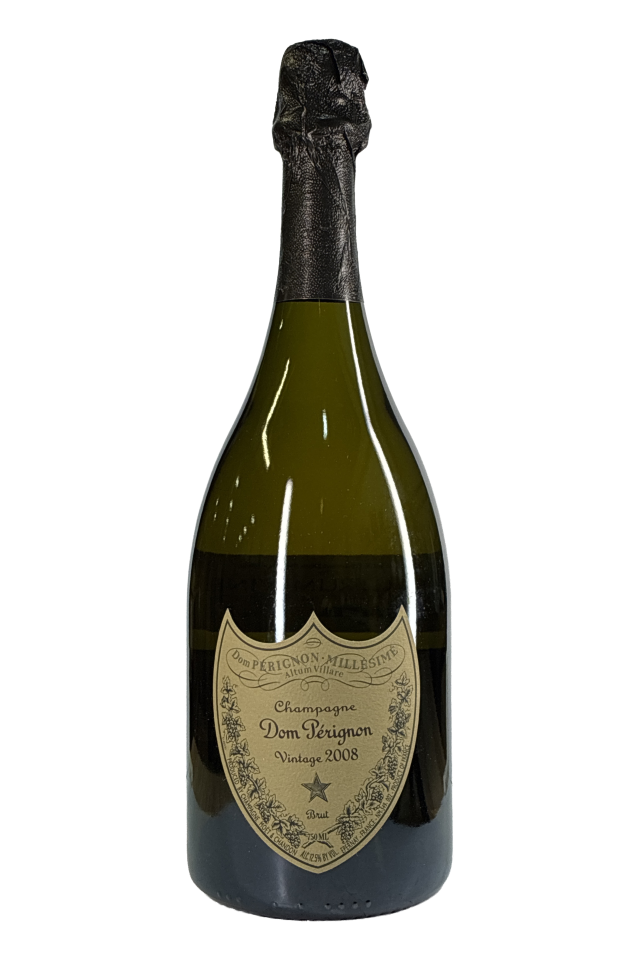
"Light golden yellow with silver highlights and a fine, persistent mousse. Touches of brioche underneath nuances of yellow tropical fruit, notes of peach and pineapple, citrus zest, discreet honey blossom, and toasted nut nuances and floral-mineral notes. A complex, pleasant fruit expression, with juicy fruit notes, savoury nuances, and taut acidity; rich but with finesse and so perfectly balanced, with a salty-smoky finish. Has super length and great development potential: world class."
Region
Sparkling
Country
Score
"Light golden yellow with silver highlights and a fine, persistent mousse. Touches of brioche underneath nuances of yellow tropical fruit, notes of peach and pineapple, citrus zest, discreet honey blossom, and toasted nut nuances and floral-mineral notes. A complex, pleasant fruit expression, with juicy fruit notes, savoury nuances, and taut acidity; rich but with finesse and so perfectly balanced, with a salty-smoky finish. Has super length and great development potential: world class."
Have questions?
French wine covers a remarkable range of styles, from the structured reds of Bordeaux to the sparkling wines of Champagne, where a second fermentation in the bottle creates the bubbles. Bordeaux is best known for red blends built around Cabernet Sauvignon or Merlot, but it also makes dry whites and the sweet wines of Sauternes. Burgundy is a benchmark for Pinot Noir and Chardonnay, with wines that can taste distinctly different from one village to the next. The Rhône Valley offers a contrast within a single region: Syrah shapes the reds of the north, while Grenache often leads the blends of the south. In the Loire Valley, Chenin Blanc can be dry, sweet or sparkling, while Cabernet Franc is the signature red grape of appellations such as Chinon and Saumur-Champigny. A French wine label often starts with a place name. The Appellation d’Origine Contrôlée (AOC) identifies a defined area and sets rules for permitted grapes and production. Learning a few appellation names makes it easier to recognize the styles you enjoy and find related wines from neighboring villages or other producers.
The northerly region that gives its name to the world's most celebrated sparkling wine, made by secondary fermentation in bottle from Chardonnay, Pinot Noir and Pinot Meunier. Chalky soils and a cool climate yield wines of finesse and longevity.
The sole appellation for true Champagne, producing sparkling wines of finesse and complexity by traditional method from Chardonnay, Pinot Noir and Pinot Meunier.
The world's most versatile white grape, producing everything from steely Chablis to rich, oaked whites. Its neutrality makes it a mirror of terroir and winemaking, and the foundation of white Burgundy and Champagne.
A key Champagne grape lending fruitiness, roundness and approachability to blends alongside Chardonnay and Pinot Noir.
Pinot Noir is a thin-skinned red grape celebrated for aromatic detail, silky texture and sensitivity to its growing site. Cherry and strawberry are familiar flavors, often accompanied by floral notes and, with maturity, earthy or forest-floor complexity. Its wines are commonly light to medium in body, with freshness and fine tannins that can give a sense of delicacy alongside considerable depth. Burgundy is Pinot Noir's historic home and a benchmark for the grape. There, differences in soil, slope and exposure can produce distinct expressions from neighboring vineyards, making Pinot Noir central to the region's emphasis on terroir. Beyond Burgundy, cooler growing regions have developed their own interpretations, including Australia's Yarra Valley, Mornington Peninsula and Tasmania. Pinot Noir can produce fresh, fruit-focused wines for earlier enjoyment as well as more structured examples that gain complexity with age. Vineyard conditions and choices in fermentation and oak aging influence its balance of perfume, fruit and savory character. Its appeal lies in nuance and the way a single grape can communicate the individuality of a place.