
Loading lot details…
The November 2026 Auction: Part 3
Swipe left for previous · Swipe right for next
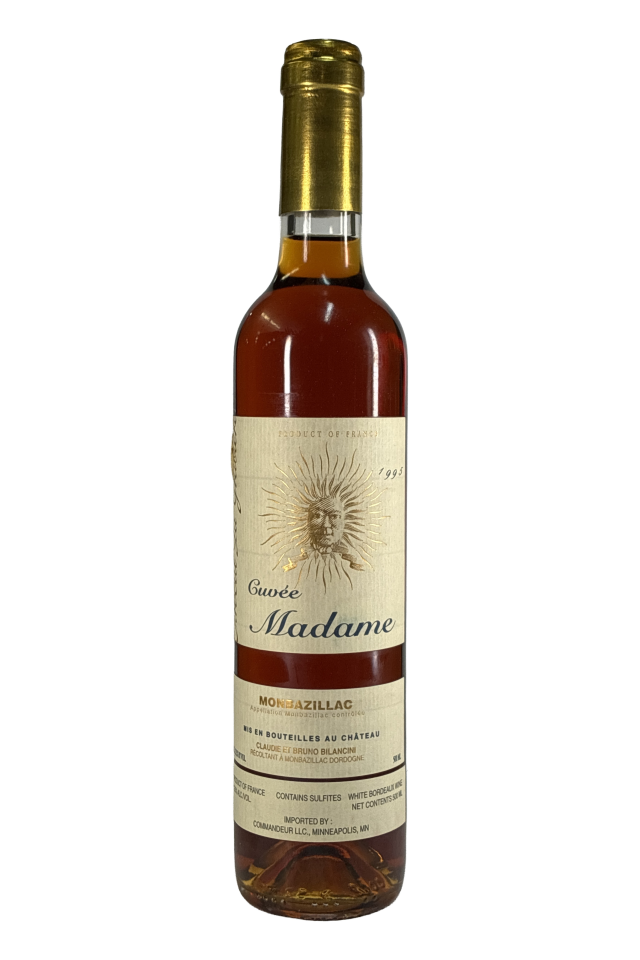 1 / 2
Lot 2362
Estimate: $80
Lightly torn, very lightly scuffed label.
Next Bid
Opening Bid
Sign in to place bids and add to your watchlist.
Login to BidCollection name
Reviews
100RP
"...Boasts a glorious nose of apricot jam, tangerine essence, and subtle spicy oak. With its profound richness, blazingly vivid definition, huge body, viscous thickness (with no heaviness), and finish that lasts for nearly a minute, this nectar constitutes one of the most extraordinary sweet wines I have ever tasted."
Region
Sweet
Country
Score
"...Boasts a glorious nose of apricot jam, tangerine essence, and subtle spicy oak. With its profound richness, blazingly vivid definition, huge body, viscous thickness (with no heaviness), and finish that lasts for nearly a minute, this nectar constitutes one of the most extraordinary sweet wines I have ever tasted."
Have questions?
French wine covers a remarkable range of styles, from the structured reds of Bordeaux to the sparkling wines of Champagne, where a second fermentation in the bottle creates the bubbles. Bordeaux is best known for red blends built around Cabernet Sauvignon or Merlot, but it also makes dry whites and the sweet wines of Sauternes. Burgundy is a benchmark for Pinot Noir and Chardonnay, with wines that can taste distinctly different from one village to the next. The Rhône Valley offers a contrast within a single region: Syrah shapes the reds of the north, while Grenache often leads the blends of the south. In the Loire Valley, Chenin Blanc can be dry, sweet or sparkling, while Cabernet Franc is the signature red grape of appellations such as Chinon and Saumur-Champigny. A French wine label often starts with a place name. The Appellation d’Origine Contrôlée (AOC) identifies a defined area and sets rules for permitted grapes and production. Learning a few appellation names makes it easier to recognize the styles you enjoy and find related wines from neighboring villages or other producers.