Loading lot details…
The November 2026 Auction: Part 4
Swipe left for previous · Swipe right for next
Lot 2859
Estimate: $2,250
1x2.0cm.
Next Bid
Opening Bid
Sign in to place bids and add to your watchlist.
Login to BidCollection name
Region
Red
Country
Have questions?
Wine is made in all 20 of Italy’s regions, from Alpine valleys to Mediterranean islands. Much of that variety comes from grapes with deep local roots. In Piedmont, Nebbiolo gives Barolo and Barbaresco their perfume and firm tannins. In Tuscany, Sangiovese brings red cherry and bright acidity to Chianti Classico and Brunello di Montalcino. Veneto spans a different range, from fresh, Garganega-based Soave to Amarone della Valpolicella, made from grapes dried before fermentation. Italy’s whites and sparkling wines are just as varied. The Marche is known for Verdicchio, while Sicily’s Mount Etna produces whites based on Carricante and reds led by Nerello Mascalese. In southern Italy, Campania is home to both Fiano di Avellino and the structured Aglianico reds of Taurasi. For bubbles, look to the orchard fruit of Glera-based Prosecco or the fine mousse and bready notes of Franciacorta, which gets its sparkle from a second fermentation in the bottle. An Italian label often leads with a place name. DOC and DOCG identify protected denominations with rules for where and how the wine is made. IGT also identifies a geographic origin and can give producers more latitude in their choice of grapes and blends.
A prolific northern region known for Amarone della Valpolicella, made from dried grapes, as well as Soave and Prosecco. Its finest reds are rich, warming and concentrated.
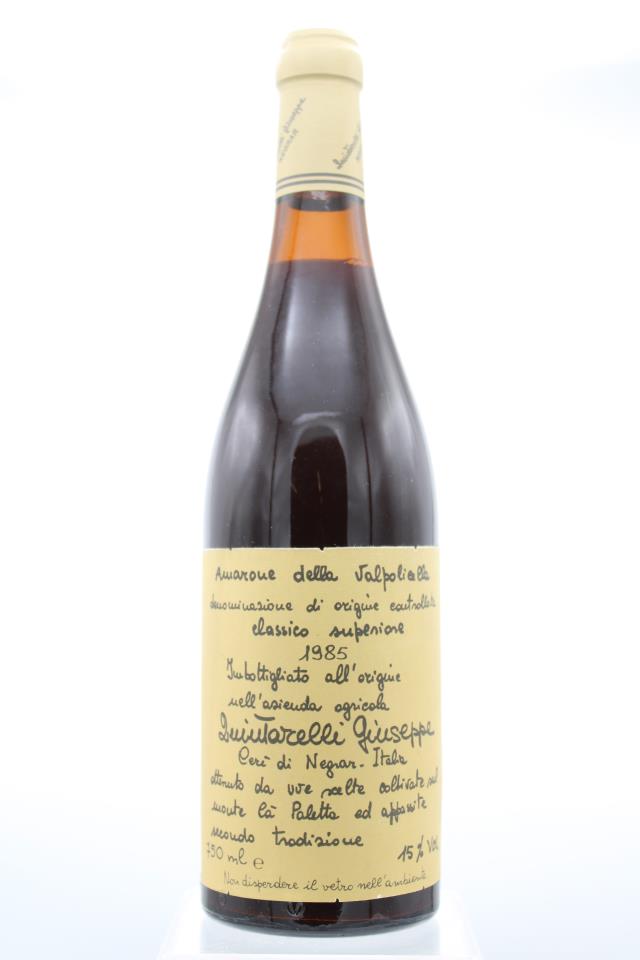
Amarone della Valpolicella Classico identifies Amarone from the denomination's historic Classico production area in Veneto. Like other Amarone, it is made using dried grapes; the Classico wording narrows the geographic origin rather than naming a separate grape variety. Explore Amarone della Valpolicella Classico auction offerings at Spectrum Wine, with producer, vintage, provenance and bottle condition documented for each lot.
Corvina is a principal red grape of Valpolicella in northeastern Italy. It contributes aroma, structure and supple fruit to the region’s blends. Its versatility supports a range of styles, from fresher reds to more concentrated wines made using dried grapes.
Corvinone is a red grape used in Valpolicella wines in northeastern Italy. It contributes structure and aromatic complexity to regional blends, with cherry and spicy notes. Though often grown and blended alongside Corvina, it is recognized as a separate grape variety.
Rondinella is a traditional red blending grape of Valpolicella in northeastern Italy. Valued for its reliability in the vineyard, it contributes color and flavor to regional wines. It generally works alongside grapes such as Corvina rather than defining the blend alone.