Loading lot details…
The November 2026 Auction: Part 4
Swipe left for previous · Swipe right for next
Lot 2865
Estimate: $30
Not appraised.
Next Bid
Opening Bid
Sign in to place bids and add to your watchlist.
Login to BidCollection name
Region
Red
Country
Have questions?
Wine is made in all 20 of Italy’s regions, from Alpine valleys to Mediterranean islands. Much of that variety comes from grapes with deep local roots. In Piedmont, Nebbiolo gives Barolo and Barbaresco their perfume and firm tannins. In Tuscany, Sangiovese brings red cherry and bright acidity to Chianti Classico and Brunello di Montalcino. Veneto spans a different range, from fresh, Garganega-based Soave to Amarone della Valpolicella, made from grapes dried before fermentation. Italy’s whites and sparkling wines are just as varied. The Marche is known for Verdicchio, while Sicily’s Mount Etna produces whites based on Carricante and reds led by Nerello Mascalese. In southern Italy, Campania is home to both Fiano di Avellino and the structured Aglianico reds of Taurasi. For bubbles, look to the orchard fruit of Glera-based Prosecco or the fine mousse and bready notes of Franciacorta, which gets its sparkle from a second fermentation in the bottle. An Italian label often leads with a place name. DOC and DOCG identify protected denominations with rules for where and how the wine is made. IGT also identifies a geographic origin and can give producers more latitude in their choice of grapes and blends.
A prolific northern region known for Amarone della Valpolicella, made from dried grapes, as well as Soave and Prosecco. Its finest reds are rich, warming and concentrated.
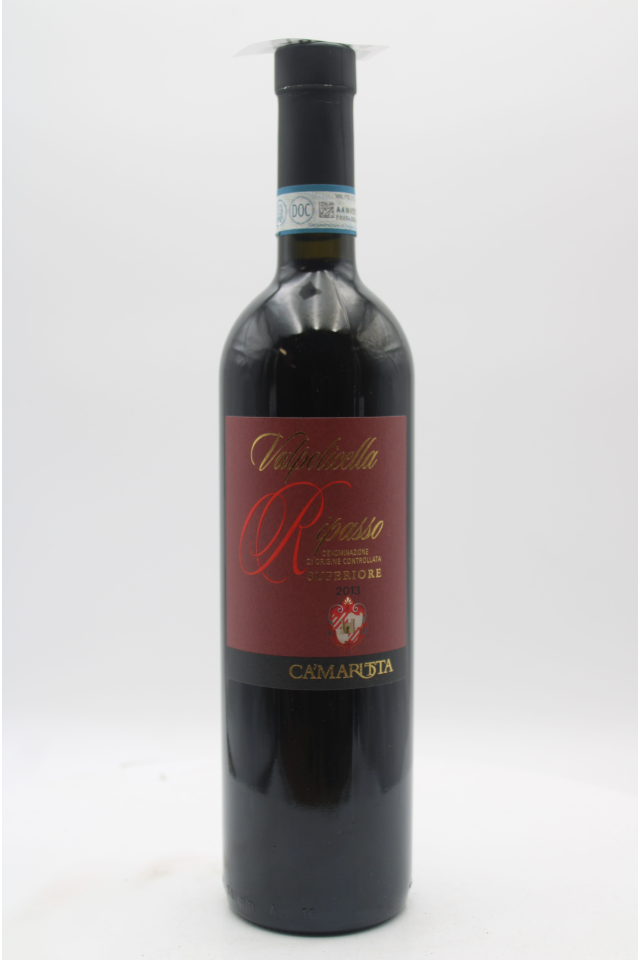
Valpolicella Ripasso is a red-wine appellation in Veneto whose production includes contact with the fermented grape material from Amarone or Recioto production. That ripasso step distinguishes it from standard Valpolicella and from Amarone itself. Explore Valpolicella Ripasso auction offerings at Spectrum Wine, with producer, vintage, provenance and bottle condition documented for each lot.
Aglianico is a southern Italian red grape known for firm tannins, substantial body and fresh acidity. Dark cherry and plum flavors can develop savory, smoky and spicy complexity. Its structured wines often benefit from time to soften and develop in bottle.
Albariño is a white grape associated with Spain’s Rías Baixas and Portugal, where it is called Alvarinho. Its wines typically combine lively acidity with citrus and stone fruit aromas. A saline impression and rounded middle palate often complement their fresh, fragrant character.
Aligoté is a white grape traditionally associated with Burgundy. It typically makes lively, dry wines with pronounced acidity and flavors of citrus, apple, flowers or fresh herbs. Its refreshing character also makes it the traditional wine component of a Kir.
Arinto is a Portuguese white grape valued for the freshness it brings to dry wines and blends. Associated with Bucelas and also grown in Vinho Verde and other regions, it helps balance ripe fruit and a fuller texture with bright acidity.
Arneis is a white grape associated with Piedmont in northwestern Italy. Usually made dry, it offers pear, peach, floral and almond-like notes. A rounded texture and moderate acidity give its wines a gentle, expressive character rather than a sharply citrus-driven profile.
Assyrtiko is a Greek white grape particularly associated with Santorini. Its wines are noted for pronounced acidity, citrus flavors and a stony or saline impression. Usually dry, they can combine a firm, refreshing structure with considerable texture and concentration.
Baga is a Portuguese red grape particularly associated with Bairrada. It is used in distinctive red wines as well as sparkling-wine production. Growing conditions, extraction and aging determine how its natural structure is expressed in the glass.
Barbera is a red grape strongly associated with Piedmont in northwestern Italy. Its wines typically combine cherry and blackberry flavors with bright acidity and comparatively modest tannins. Styles range from fresh, fruit-led reds to richer wines shaped by oak aging.
Bianchetta Genovese is a white grape associated with Liguria in northwestern Italy. Traditionally grown around Genoa and in inland hillside vineyards, it contributes a local identity to regional white wines and blends.
Bical is a Portuguese white grape associated with Bairrada and Dão. It is used in still whites and sparkling-wine blends, contributing to the range of styles made from Portugal's local varieties.
Blaufränkisch is a red grape strongly associated with Austria and also known as Lemberger in Germany. It combines dark berry and cherry fruit with fresh acidity, noticeable tannins and a peppery or spicy edge. More structured examples can develop well with age.
Bobal is a Spanish red grape strongly associated with Utiel-Requena and nearby southeastern wine regions. It is used for both reds and rosés and is an important part of the area's local vineyard heritage, including mature bush-vine plantings.
Bonarda is a grape name whose meaning depends on the wine's origin. In Argentina it commonly refers to the variety also associated with Charbono and Douce Noire; Italian uses of Bonarda can identify different grapes. The regional context is essential.
Carménère is a red grape with Bordeaux roots that has become closely associated with Chile. It often combines red and dark fruit with herbal or pepper-like aromas. Its wines can have a supple texture, while oak aging may add spice and smoky complexity.
Carricante is a white grape particularly associated with Mount Etna in Sicily. It is valued for pronounced acidity and wines with citrus, apple, floral and stony impressions. Often central to Etna’s white wines, it can retain freshness while developing texture and complexity.
Castelão is a traditional Portuguese red grape especially associated with the country's southern wine regions. It appears in both single-variety wines and blends, expressing the distinctive relationship between local grapes, vineyard sites and regional winemaking.
Champagne blends may combine different grape varieties, vineyard origins or vintages. Chardonnay, Pinot Noir and Meunier are the region’s principal grapes, but an individual Champagne may use one variety or several. The blend label alone does not establish the contents or proportions of a particular bottle.
Charbono is a red grape with a long history in California, including Napa Valley and Calistoga. Its wines can combine deep color and berry fruit with refreshing acidity. Traditional varietal examples show that concentration and freshness can coexist in the glass.
A versatile Loire white of high acidity, making dry, sweet and sparkling wines of honey, quince and remarkable longevity.
Cinsault is a red grape used in southern French blends and Provençal rosés. It contributes floral fragrance, red berry flavors and a relatively gentle tannic structure. Varietal examples emphasize freshness and perfume, while blends benefit from its supple fruit and aromatic lift.
Colombard is a white grape closely associated with Gascony and southwestern France. It produces fresh, aromatic wines and is also used in grape-spirit production. In dry whites and blends, its vivid fruit and acidity can bring an energetic character.
Cortese is a white grape associated with Piedmont and the wines of Gavi. It typically produces dry whites with lively acidity and flavors of lemon, apple and melon. A light palate and subtle almond-like notes contribute to its clean, refreshing character.
Corvina is a principal red grape of Valpolicella in northeastern Italy. It contributes aroma, structure and supple fruit to the region’s blends. Its versatility supports a range of styles, from fresher reds to more concentrated wines made using dried grapes.
Corvinone is a red grape used in Valpolicella wines in northeastern Italy. It contributes structure and aromatic complexity to regional blends, with cherry and spicy notes. Though often grown and blended alongside Corvina, it is recognized as a separate grape variety.
Counoise is a red Rhône variety generally used as part of a blend. It contributes lively acidity, red berry fruit and a spicy accent. These qualities can bring freshness and aromatic interest alongside the weight and structure of other Rhône grapes.
Dolcetto is a red grape associated with Piedmont in northwestern Italy. Usually made into dry wine, it offers dark berry and plum fruit, sometimes with violet, cocoa or pepper notes. Its expressive fruit is balanced by a distinctive tannic presence.
Doña Blanca is a white grape found in northwestern Spain and neighboring Portuguese wine regions. It appears in local white wines and traditional mixed plantings, forming part of the area's diverse Iberian grape heritage.
Falanghina is a name associated with distinctive white grapes from Campania in southern Italy. The wines typically show citrus, peach and floral aromas, with fresh acidity and an almond-like accent. They are generally dry, emphasizing fragrance and a lively fruit profile.
Fiano is a southern Italian white grape particularly associated with Campania and Fiano di Avellino. Its wines can show pear, melon, citrus peel and nutty notes, often with a textured or waxy impression. More concentrated examples can develop additional complexity with age.
Frappato is a Sicilian red grape known for fragrant red berry fruit and delicate spicy notes. It generally makes relatively light, fresh wines with gentle tannins. It is also blended with Nero d’Avola, adding perfume and lift to the finished wine.
Furmint is a Hungarian white grape best known for Tokaj. Its pronounced acidity supports both crisp dry wines and concentrated sweet wines such as Tokaji Aszú. Citrus and apple flavors can gain richer fruit, spicy or smoky complexity depending on ripeness and winemaking.
Galego Dourado is a rare Portuguese white grape associated with the Lisbon and Sintra area. It survives in small-scale local wines that highlight regional vineyard heritage. It is distinct from similarly named Moscatel grapes and should be identified from the producer's actual wine information.
Gamay is the red grape most closely associated with Beaujolais. It typically makes lively wines with floral aromas, fresh berry fruit and relatively gentle tannins. Its balance of fruit and refreshing acidity supports both approachable young wines and more structured expressions.
Garganega is the principal white grape of Soave in northeastern Italy. Its dry wines commonly combine orchard or stone fruit with citrus and herbal notes. Subtle almond flavors and a textured palate can become more pronounced as the wines develop.
Gewürztraminer is an aromatic white grape known for rose, lychee and ginger notes. Closely associated with Alsace and Alpine wine regions, it often has a generous texture and moderate to low acidity. Styles range from dry to richly sweet.
Glera is the principal white grape used for Prosecco in northeastern Italy. It provides delicate floral aromas and flavors of pear, green apple and citrus. Sparkling winemaking highlights its fresh fruit and fragrance, with the finished wine’s sweetness depending on the style.
Godello is a white grape of the northwestern Iberian Peninsula. Its dry wines typically combine citrus and orchard fruit with refreshing acidity and a rounded texture. Depending on winemaking, lees aging or oak can add creaminess and additional savory complexity.
Graciano is a red grape closely associated with Rioja. Its vivid color, aromatic intensity and high acidity make it valuable in blends, particularly alongside Tempranillo. Red and dark fruit, floral notes and licorice can develop additional savory complexity with age.
Greco is a name associated with southern Italian grapes, especially the white wines of Greco di Tufo in Campania. These whites can combine citrus and stone fruit with a textured palate and fresh acidity. Regional identity and winemaking influence their aromatic and savory character.
Grenache Blanc produces white wines with generous texture and flavors that can include pear, green plum, citrus and flowers. It appears both on its own and in blends. Oak aging can add creamy or toasty notes to its rounded fruit profile.
Grenache Gris is a gray-skinned member of the Grenache group associated with southern French wine regions. It contributes to white and rosé wines, including blends in which its texture and fruit character complement other Mediterranean grapes.
Grignolino is a red grape associated with Piedmont, especially the Asti and Monferrato areas. Its pale-colored wines can show delicate fruit, earthy notes and white pepper. A dry, noticeably tannic palate gives structure despite the wine’s relatively light appearance.
Grillo is a Sicilian white grape used in both dry table wines and Marsala. Dry examples typically show citrus, flowers and herbs, with refreshing acidity and a lightly savory impression. Its combination of fruit and texture makes it a versatile regional variety.
Gros Manseng is a white grape from the foothills of the Pyrenees in southwestern France. It is important in wines such as dry Jurançon and regional blends, where its fruit and freshness can support both lighter and more textured styles.
Grüner Veltliner is Austria’s signature white grape. It is known for refreshing acidity and flavors that can combine citrus, green fruit, herbs and a peppery accent. Styles range from light, lively wines to richer expressions with greater texture and concentration.
Inzolia is a traditional white grape associated with Sicily. It is used in dry white wines and blends and forms part of the island's historic winemaking heritage. Origin and cellar treatment shape its balance of fruit, texture and freshness.
Jacquère is a white grape closely associated with Savoie in the French Alps, especially Apremont and Abymes. It is best known for fresh, light-bodied wines whose restrained fruit and lively acidity reflect the region's mountain vineyards.
Kerner is an aromatic white grape grown in Germany and northern Italy. Its wines can range from dry to sweeter styles, combining expressive fruit with refreshing acidity. Site and winemaking determine the balance between delicacy, ripeness and texture.
Lacrima is a red grape associated with Italy's Marche region, particularly the wines of Morro d'Alba. It is valued for a distinctive aromatic identity and appears in local wines whose character reflects this small part of central Italy.
Lagrein is a red grape associated with Alto Adige in northern Italy, particularly around Bolzano. Its wines can combine berry and cherry fruit with violet and spicy notes. A generous texture is characteristic, while winemaking choices shape its weight and oak influence.
Lambrusco is a group of related red grape varieties associated with northern Italy, especially Emilia-Romagna. Its wines range from dry to sweet and are often sparkling. The grape variety, blend and fermentation method determine the wine's fruit, color and texture.
Loureiro is an aromatic white grape associated with Portugal's Vinho Verde region. It is used in both single-variety wines and regional blends, where its floral character and freshness complement other local varieties.
Marsanne is a white grape used in Rhône blends, often alongside Roussanne. Its wines tend toward a broad texture, with orchard or stone fruit, floral notes and sometimes a waxy character. It contributes body and depth to both blends and varietal wines.
Marselan is a red wine grape created by crossing Cabernet Sauvignon and Grenache. It is grown in southern France and other warm wine regions, appearing in both varietal wines and blends with a distinctive combination of its parent grapes' traits.
Mencía is an aromatic red grape associated with northwestern Spain and Portugal. Cherry and berry flavors are often joined by floral, herbal or peppery notes. Fresh acidity and a range of tannic textures allow both lively young wines and more structured expressions.
Merlot blends combine Merlot with other grapes. Cabernet Sauvignon and Cabernet Franc are familiar partners in Bordeaux and elsewhere, contributing different fruit, aromatic and structural elements. The exact composition and aging potential depend on the particular wine and vintage.
Merseguera is a white grape associated with eastern Spain, including Valencia and Alicante. It is used in local white wines and blends, offering a Mediterranean expression distinct from the country's more widely recognized white varieties.
Molinara is a traditional red grape of the Valpolicella area in northeastern Italy. Used as a complementary component in regional blends, it contributes freshness and a savory quality. Its role is generally to balance and enliven the other grapes in the wine.
Montepulciano is an Italian red grape widely associated with Abruzzo. It produces wines with plum and blackberry flavors, noticeable tannins and balancing acidity. Depending on ripeness and winemaking, its fruit can be accompanied by savory herbs, spice and smoky notes.
Moristel is a red wine grape associated with Aragón in northeastern Spain. It contributes to the region's local varietal heritage, appearing in wines and blends where vineyard site and the other grapes help shape the finished expression.
Moschofilero is a pink-skinned Greek grape especially associated with Mantinia in the Peloponnese. Usually made as a white wine, it is valued for floral aromas, lively acidity and a fresh, elegant style.
Mourisco Tinto is a historic Portuguese red grape name found in the Douro's viticultural tradition. It occurs among the varieties associated with traditional Port blends, in which several local grapes contribute to the finished wine's character.
Müller-Thurgau is a white grape grown in Germany and other European wine regions, including northern Italy. Its wines are often approachable and aromatic, with styles ranging from dry everyday whites to more individual expressions shaped by site and ripeness.
Muscadelle is a white grape of southwestern France, used in dry and sweet blends. It is distinct from the Muscat family despite the similar name. Its aromatic contribution complements other white grapes in the region's traditional wines.
Muscat Rouge à Petits Grains is a red-skinned member of the small-berried Muscat group. Its aromatic character links it to the broader Muscat tradition, while grape color, origin and winemaking determine the wine's appearance and style.
Nebbiolo is the red grape behind Barolo and Barbaresco. Its wines can be pale ruby in the glass yet carry firm tannins and bright acidity. Red cherry, rose and violet are common in youth; with time, dried flowers, tar and earthy notes can emerge. That combination of fragrance and structure is part of what makes the grape so distinctive and gives its most structured wines the ability to age. Nebbiolo buds early and ripens late, so vineyard exposure matters. Its character can change markedly from one hillside to the next. In Piedmont, it also appears as Langhe Nebbiolo and Nebbiolo d’Alba, which often show the grape’s fruit and perfume earlier. In Alto Piemonte, where it is known as Spanna, it anchors wines such as Gattinara and Ghemme. Across the regional border in Lombardy’s Valtellina, the same grape is called Chiavennasca.
Négrette is a red grape of southwestern France, especially associated with Fronton. It is used in regional red and rosé wines, contributing a distinctive local identity alongside the other grapes and winemaking traditions of the area.
Negroamaro is a red grape associated with Puglia in southern Italy, particularly Salento. It is used for both reds and rosés and can appear alone or in regional blends. Its character reflects the warm climate and the producer's approach to ripeness and extraction.
Nerello Cappuccio is a red grape associated with Sicily, particularly blends from the slopes of Mount Etna. It is distinct from Nerello Mascalese and can complement that grape in local red wines, with each variety contributing to the finished blend.
Nerello Mascalese is a Sicilian red grape particularly associated with Mount Etna. It makes fragrant wines with red fruit, dried herbs, spice and an earthy or stony impression. Fresh acidity and noticeable structure can give depth to its relatively delicate fruit profile.
Nero d’Avola is one of Sicily’s best-known red grapes. It typically produces generously flavored wines with dark cherry and plum fruit, supported by noticeable tannins. Licorice, tobacco and spice can add complexity to its ripe, substantial character.
Palomino is the principal white grape behind the dry styles of Sherry. Its relatively neutral base wines allow maturation to shape their character. Aging under flor or with greater exposure to oxygen produces the distinctive savory and nutty profiles found across Sherry styles.
Pecorino is a white grape associated with Italy's Adriatic regions, especially Abruzzo and Marche. It is used in dry whites that can combine freshness with a substantial texture, expressing both local vineyard conditions and the producer's winemaking choices.
Pedro Ximénez is a white grape famous for intensely sweet wines from southern Spain. Grapes are often sun-dried to concentrate their sugars before winemaking. The resulting wines can show rich dried-fruit flavors, with fig, toffee, coffee and nutty notes.
Pelaverga is a northern Italian red-grape name that requires regional context. Pelaverga Piccolo is associated with Verduno, while other uses can refer to a different variety. A producer's vineyard and denomination help identify the precise grape behind the wine.
Pelaverga Piccolo is a red grape closely associated with Verduno in Piedmont. It produces distinctive local wines noted for their aromatic, often peppery character. It should be distinguished from other grapes that share the broader Pelaverga name.
Petit Manseng is a white grape associated with southwestern France, especially Jurançon. Its small berries can build high sugar levels while retaining pronounced acidity. That balance supports concentrated sweet wines, with tropical fruit and citrus aromas, as well as dry expressions.
Pigato is a white grape name strongly associated with the Riviera Ligure di Ponente in northwestern Italy. Its dry wines often combine orchard fruit, herbal notes and a savory finish, offering a distinctive expression of Liguria’s coastal vineyards.
A key Champagne grape lending fruitiness, roundness and approachability to blends alongside Chardonnay and Pinot Noir.
Pinotage is a South African red grape created by crossing Pinot Noir and Cinsault. Its wines range from fresh and fruit-led to fuller, more structured styles. Berry and plum flavors can be joined by spice, smoky notes and complexity from oak aging.
Plavac Mali is a red grape associated with Croatia's Dalmatian coast, including the Pelješac peninsula. It produces deeply flavored regional reds, with vineyard exposure and ripeness influencing their fruit, structure and intensity.
Poulsard is a thin-skinned red grape closely associated with France’s Jura region. It produces unusually pale red wines with delicate berry and cherry aromas. Their light appearance is matched by an emphasis on freshness, subtlety and a lively fruit character.
Prieto Picudo is a dark-skinned grape associated with León in northwestern Spain. It is used for regional red and rosé wines, providing a local expression distinct from Spain's more widely planted red varieties.
A blend of Rhone Valley varieties - Grenache, Syrah and Mourvedre for reds (the 'GSM'), or Viognier, Marsanne and Roussanne for whites - yielding warm, spicy, generous wines.
Ribolla Gialla is a white grape associated with northeastern Italy and neighboring Slovenia. It typically brings bright acidity with citrus, apple, floral and herbal notes. Its refreshing character is expressed in a range of wines shaped by regional traditions and winemaking choices.
A highly aromatic white of piercing acidity and transparency to terroir, ranging from bone-dry to lusciously sweet. It ages remarkably and is the noble grape of Germany and Alsace.
Rioja red blends often center on Tempranillo, with varieties such as Garnacha, Graciano and Mazuelo contributing different fruit, aromatic and structural qualities. Vineyard origin, grape proportions and aging choices shape the finished style. A Rioja blend should be understood through its producer and vintage rather than a fixed formula.
Rkatsiteli is a Georgian white grape especially associated with Kakheti. It is used in conventional white wines and in amber wines fermented with grape skins in qvevri. Its ability to retain acidity supports a wide range of styles.
Rondinella is a traditional red blending grape of Valpolicella in northeastern Italy. Valued for its reliability in the vineyard, it contributes color and flavor to regional wines. It generally works alongside grapes such as Corvina rather than defining the blend alone.
Rosé blends combine grape varieties selected for the producer’s intended color, aroma, texture and freshness. Grapes such as Grenache, Cinsault, Syrah and Mourvèdre are familiar in southern French rosé, while other regions use different combinations. The label describes a blended rosé rather than a single grape.
Rossese is a red grape associated with Liguria, especially Dolceacqua near the Italian Riviera. It produces distinctive local reds whose character is shaped by hillside sites and the region's maritime setting. Rossese Bianco is a separate white-grape name.
Sagrantino is a red grape closely associated with Umbria in central Italy. It produces deeply structured wines with abundant tannins, full body and balancing acidity. Plum, dark fruit, tea, pepper and savory notes can emerge as the wine develops.
Sangiovese blends combine Tuscany’s signature red grape with other varieties. Traditional regional grapes and international varieties can contribute additional fruit, body or structure, depending on the wine. The result may retain Sangiovese’s lively acidity and savory red-fruit character while expressing the producer’s chosen blend.
Saperavi is a Georgian red-fleshed grape known for deeply colored wines. Closely associated with Kakheti, it is made in both traditional qvevri and other cellar styles, producing reds whose fruit, structure and depth reflect the site and producer.
Yields crisp, aromatic whites with citrus, herb and grassy notes. It shines in the Loire, Bordeaux blends and around the world for its refreshing zip.
Sauvignon Gris is a pink-skinned mutation of Sauvignon Blanc used in Bordeaux and elsewhere. It can contribute expressive floral, citrus and tropical fruit aromas to white wines. Its aromatic character brings another dimension to blends alongside Sauvignon Blanc and Sémillon.
Scheurebe is an aromatic white grape associated with Germany. It can produce wines ranging from dry to intensely sweet, with a pronounced fruit perfume. The balance between ripeness, acidity and sweetness determines the wine's final style.
Schiava is a traditional red-grape name associated with northern Italy, especially Alto Adige. Several local varieties and names form part of this tradition. The wines are often lighter in style, with regional blends and vineyard sites adding further differences.
Schioppettino is a red grape associated with Friuli in northeastern Italy, especially Prepotto. It is noted for a peppery aromatic character, which can accompany fresh red and dark fruit in distinctive regional wines.
Sercial is a white grape associated with Madeira’s driest fortified wines. It is valued for pronounced acidity that keeps the wines fresh through extended maturation. Mature examples can combine citrus freshness with nutty, spicy and savory complexity.
Southern Rhône white blends can draw on varieties such as Grenache Blanc, Clairette, Roussanne, Bourboulenc, Marsanne and Viognier. Different combinations balance fruit, fragrance, texture and freshness. The grapes and proportions depend on the appellation and producer rather than a single regional recipe.
Susumaniello is a red grape associated with Puglia in southern Italy, particularly the Brindisi area. Once commonly used in blends, it also appears in varietal wines that highlight the region's distinctive local grape heritage.
Tannat is a red grape associated with southwestern France and Uruguay. Its deeply colored wines typically combine dark fruit with firm tannins, substantial body and balancing acidity. Licorice, spice or smoky notes can accompany its concentrated fruit and develop with age.
Tempranillo blends combine Tempranillo with other varieties. In Rioja, partners can include Garnacha, Graciano and Mazuelo, each contributing different aromas, texture or freshness. The blend label does not establish a fixed percentage or guarantee the same composition across vintages.
Teroldego is a red grape closely associated with Trentino and the Piana Rotaliana in northern Italy. It produces deeply colored wines with berry fruit and floral notes. Its distinctive regional character is expressed in both youthful wines and more structured bottlings.
Tibouren is a traditional Provençal red grape particularly associated with the Var. It is valued in rosé blends for its delicate, aromatic contribution and can express a distinctive Mediterranean character alongside other local varieties.
Timorasso is a white grape associated with the Tortona hills of southeastern Piedmont. It has become known for distinctive dry whites with structure and the capacity to develop complexity in bottle, offering a different expression from Piedmont's better-known red grapes.
Tinta Barroca is one of the Douro's traditional Portuguese red grapes. It is used in Port and dry red blends, where the interaction with varieties such as Touriga Nacional and Touriga Franca helps define the finished wine.
Torrontés is associated with Argentina’s fragrant white wines. Its pronounced aromas can include flowers, peach and citrus, while the palate is often dry despite the sweet-smelling bouquet. The name covers several varieties, with Torrontés Riojano especially important in quality wine production.
Portugal's finest red grape, giving deeply colored, floral and structured wines central to both Port and the Douro's dry reds.
Trebbiano is a name used for several Italian white grapes, so the precise variety depends on the wine’s origin. Trebbiano Toscano is also known as Ugni Blanc in France. Wines under the broader Trebbiano name range from restrained, fresh whites to more characterful regional expressions.
Trebbiano Abruzzese is a white grape associated with Abruzzo on Italy's Adriatic coast. Its identity should not be assumed from every wine labeled Trebbiano d'Abruzzo, since grape names and permitted blends require care. Qualified examples contribute to the region's distinctive white-wine tradition.
Treixadura is a white grape associated with northwestern Spain, particularly Ribeiro. It forms part of the region's traditional blends and can also appear in single-variety wines, contributing a distinctive Atlantic Iberian identity.
Ugni Blanc is a white grape particularly important to Cognac production. It produces wines with high acidity and relatively low potential alcohol, useful qualities for distillation. It also appears in still wines, where a restrained aromatic profile leaves room for winemaking influence.
Verdeca is a white grape associated with Puglia in southern Italy. It is used in both local blends and single-variety wines, offering an alternative to the region's better-known reds. Vineyard location and cellar treatment shape the finished white wine.
Verdejo is a Spanish white grape best known from Rueda. Its dry wines typically show citrus, melon and peach flavors alongside herbal or fennel-like notes. Fresh acidity and a subtly bitter finish give definition to its aromatic, fruit-led character.
Verdelho is a Portuguese white grape used in Madeira and also made into dry table wine. Still versions can show citrus, melon and tropical fruit with fresh acidity. Madeira expressions develop additional complexity through the region’s distinctive maturation methods.
Verdicchio is a white grape closely associated with the Marche region of Italy. It often combines citrus and peach flavors with fresh acidity, a textured palate and a subtle almond-like finish. Its balance supports both lively young wines and more developed expressions.
Vespolina is a traditional red grape of northwestern Italy, especially the Alto Piemonte area. It is used in local blends and varietal wines and is notable for a peppery aromatic contribution that can complement Nebbiolo.
Viognier is an aromatic white grape best known for the wines of Condrieu in France's northern Rhône Valley. It typically offers expressive peach, apricot and floral aromas, with a full body, rounded texture and relatively low acidity. Usually made dry, it appears in both single-variety wines and blends; oak aging can add sweet spice.
Welschriesling is a white grape grown across several central and southeastern European wine regions. Despite its name, it is distinct from Riesling. It can produce fresh dry whites as well as concentrated sweet wines under suitable conditions.
A wine blended from two or more white grape varieties, combined for aromatic complexity, texture and balance.
Zinfandel blends combine Zinfandel with other grapes. California’s old-vine vineyards can include varieties such as Petite Sirah and Carignan, contributing color, structure and complexity alongside Zinfandel’s fruit. The varieties and proportions vary, including in wines harvested from historic mixed plantings.