Loading lot details…
The November 2026 Auction: Part 4
Swipe left for previous · Swipe right for next
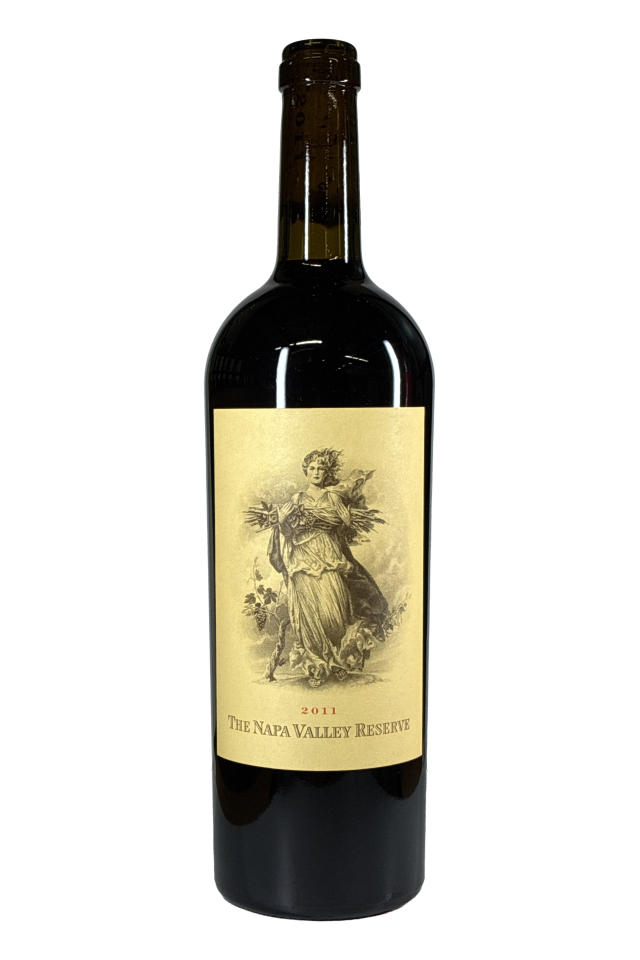
Lot 3974
Estimate: $200
Missing neck tag.
Next Bid
Current Bid
Sign in to place bids and add to your watchlist.
Login to BidCollection name
Region
Red
Country
Have questions?
The fourth-largest wine producer in the world, led by California. American fine wine is defined by ripe, expressive fruit and a spirit of innovation, with Napa Valley Cabernet Sauvignon among the most sought-after wines globally.
California's most prestigious wine region, celebrated worldwide for opulent, structured Cabernet Sauvignon. Diverse soils and mountain-to-valley-floor sites yield wines of remarkable ripeness, power and longevity.
California's flagship appellation for opulent, structured Cabernet Sauvignon of ripe fruit, plush tannins and cellar-worthy depth.
Even among Napa Valley’s most coveted wines, The Napa Valley Reserve occupies a world of its own. Founded by Bill Harlan, the visionary behind Harlan Estate, this private, invitation-only club offers its members something most wine lovers can only dream about: a personal connection to the creation of their own wines, guided by an exceptional vineyard and winemaking team. With substantial initiation fees and access reserved for a privileged membership, it is one of wine country’s best-kept secrets. These bottles are produced for members rather than conventional retail distribution, making opportunities to purchase them outside that circle especially enticing. The appeal goes well beyond exclusivity. The Reserve brings together the exacting standards, attention to detail, and pursuit of quality that have made the Harlan name so revered among collectors. For anyone who appreciates Napa’s great wines, this is a rare chance to discover a deeply private side of the valley and bring home bottles usually poured behind closed doors.
Cabernet Sauvignon is a red grape known for deep color, firm tannins and a clearly defined structure. Blackcurrant, often described as cassis, is a signature flavor, accompanied by blackberry and, depending on the wine, cedar, graphite, mint or herbal notes. Oak aging can add spice and toast, while bottle age may bring tobacco, leather and other savory layers. The grape is a cornerstone of Bordeaux's Left Bank, especially the Médoc and Graves, where it is commonly blended with Merlot, Cabernet Franc and smaller amounts of other varieties. Beyond Bordeaux, Cabernet Sauvignon has established distinctive regional identities, including Australia's Coonawarra and Margaret River. Vineyard climate and ripeness influence whether the emphasis falls on fresh fruit and herbs or richer, fuller expressions. Its tannins, acidity and concentration can support long development in well-balanced examples. Many accessible styles are made for earlier enjoyment, while more structured wines reward time as their tannins soften and their aromas evolve. Cabernet Sauvignon brings depth and backbone to blends and can also express a vineyard's character as a varietal wine.
Merlot is a red grape valued for generous fruit, a rounded palate and a supple, often velvety texture. Plum and cherry are characteristic flavors, sometimes accompanied by violet or fig, with chocolate, coffee and savory notes developing in some wines as they mature. Its styles range from bright, approachable reds to deeply concentrated wines with substantial structure. Bordeaux is Merlot's historic home, and the grape is particularly important on the Right Bank in Saint-Émilion, Pomerol and Fronsac. There it can lead a blend, frequently partnered with Cabernet Franc. Across Bordeaux, Merlot also complements Cabernet Sauvignon, contributing fruit and roundness alongside the latter's firmer tannic framework. Merlot generally ripens earlier than Cabernet Sauvignon, helping growers achieve ripe fruit in a range of conditions. Vineyard site, harvest timing and cellar choices determine the final balance of richness, freshness and tannin. Many bottlings offer pleasure in their youth, while fine, well-balanced examples can develop layered aromas and greater complexity through extended aging.