
Loading lot details…
The November 2026 Auction: Part 1
Swipe left for previous · Swipe right for next
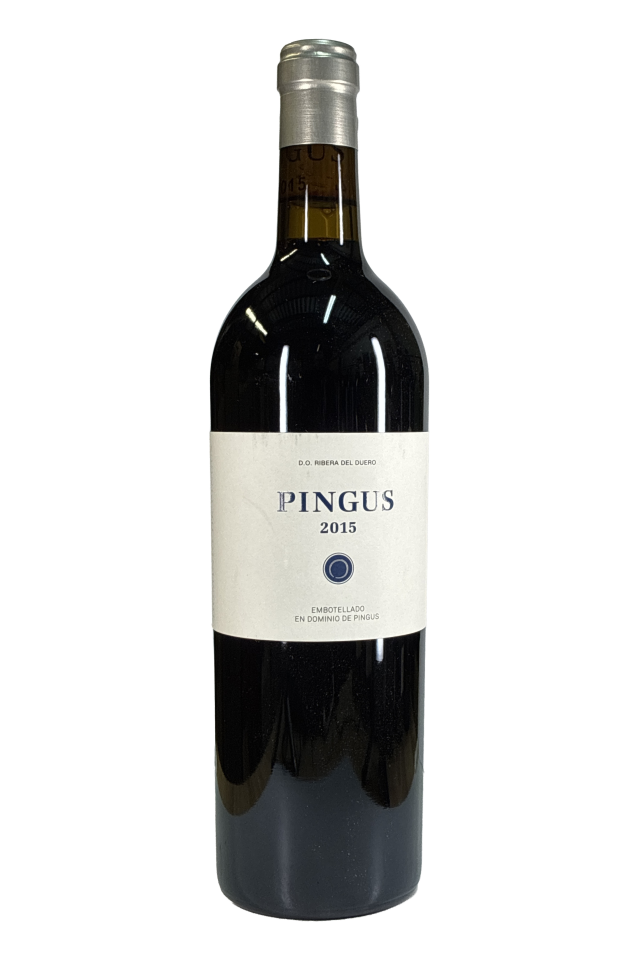 1 / 2
Lot 1619
Estimate: $1,200
Very lightly scuffed labels.
Sold:
This auction has ended. Bidding is closed.
Collection name
Reviews
99WA
"Peter Sisseck was ecstatic about the quality of the 2015 Pingus. Since he no longer uses any new oak—and hasn't since 2012—the élevage in used wood is extended to 23 or 24 months. This is the first vintage certified as biodynamic from Demeter. We poured the wine and took half an hour to get to it, as the wine was very closed at first and opened up very slowly in the glass. Little by little, the nose started showing a floral character, what I consider the perfume of great Ribera del Duero, the elegant part that compensates the powerful nature of the wines and gives the finesse to the best wines. The wine has been very consistent in the last few vintages, as Sisseck reckons the old but balanced vines (they started working in biodynamics in 2000) cushion the vintage differences more than other younger vineyards. These vines were planted in 1929, and they have always been farmed organically and in a traditional way. This is truly outstanding. In a way, it made me think of 2010, even if they are very different years. It was bottled in August 2017, and there are some 6,500 bottles of this gem. Even if very young, it already drinks well. Great wines tend to be drinkable throughout their life... I tasted the bottled 2015s, the about-to-be-bottled 2016s and some barrel samples of the 2017s with Peter Sisseck. 2016 could be the modern version of 1996, and in 2015, a warmer vintage that could have turned into something similar to 2011, the wines have great freshness and are closer to 2010 than 2011, even if the years are completely different. 2015 Pingus is terrific and 2016 Pingus can be another legend in the making."
Region
Red
Country
Score
"Peter Sisseck was ecstatic about the quality of the 2015 Pingus. Since he no longer uses any new oak—and hasn't since 2012—the élevage in used wood is extended to 23 or 24 months. This is the first vintage certified as biodynamic from Demeter. We poured the wine and took half an hour to get to it, as the wine was very closed at first and opened up very slowly in the glass. Little by little, the nose started showing a floral character, what I consider the perfume of great Ribera del Duero, the elegant part that compensates the powerful nature of the wines and gives the finesse to the best wines. The wine has been very consistent in the last few vintages, as Sisseck reckons the old but balanced vines (they started working in biodynamics in 2000) cushion the vintage differences more than other younger vineyards. These vines were planted in 1929, and they have always been farmed organically and in a traditional way. This is truly outstanding. In a way, it made me think of 2010, even if they are very different years. It was bottled in August 2017, and there are some 6,500 bottles of this gem. Even if very young, it already drinks well. Great wines tend to be drinkable throughout their life... I tasted the bottled 2015s, the about-to-be-bottled 2016s and some barrel samples of the 2017s with Peter Sisseck. 2016 could be the modern version of 1996, and in 2015, a warmer vintage that could have turned into something similar to 2011, the wines have great freshness and are closer to 2010 than 2011, even if the years are completely different. 2015 Pingus is terrific and 2016 Pingus can be another legend in the making."
Have questions?
Spain has the largest area under vine of any country and a deep tradition of oak-aged reds. Tempranillo-based wines from Rioja and Ribera del Duero, alongside Priorat's Garnacha and Carinena, anchor its fine-wine reputation.
On Spain's high central plateau, Ribera del Duero makes powerful, concentrated Tempranillo (locally Tinto Fino). Wide day-night temperature swings yield deeply colored, structured and age-worthy reds.
Produces powerful, deeply colored Tempranillo from Spain's high plateau, prized for concentration and structure.
Grenache, known as Garnacha in Spain, is a red grape that thrives in warm growing regions. Its wines often show strawberry and raspberry, with peppery spice and sometimes earthy notes. Styles range from fragrant, medium-bodied reds to rich, full-bodied wines with generous alcohol and a rounded texture, depending on the vineyard and winemaking. In France's southern Rhône Valley, Grenache is central to wines such as Châteauneuf-du-Pape and Gigondas, often blended with Syrah and Mourvèdre. It also produces distinctive single-variety wines in Spain and Australia. McLaren Vale and the Barossa Valley are particularly associated with old-vine Grenache, offering expressions that combine ripe fruit, spice and layered texture. Grenache's versatility extends beyond dry reds to rosé and sweet fortified wines. Vineyard conditions, crop levels and cellar choices shape its character, allowing it to deliver both fresh, approachable fruit and more concentrated, structured expressions. Its combination of generosity and adaptability makes it an important grape in both traditional regional blends and wines that showcase a single vineyard.
Spain's noble red grape, producing structured, savory wines of red fruit and leather that respond beautifully to oak aging in Rioja and Ribera del Duero.